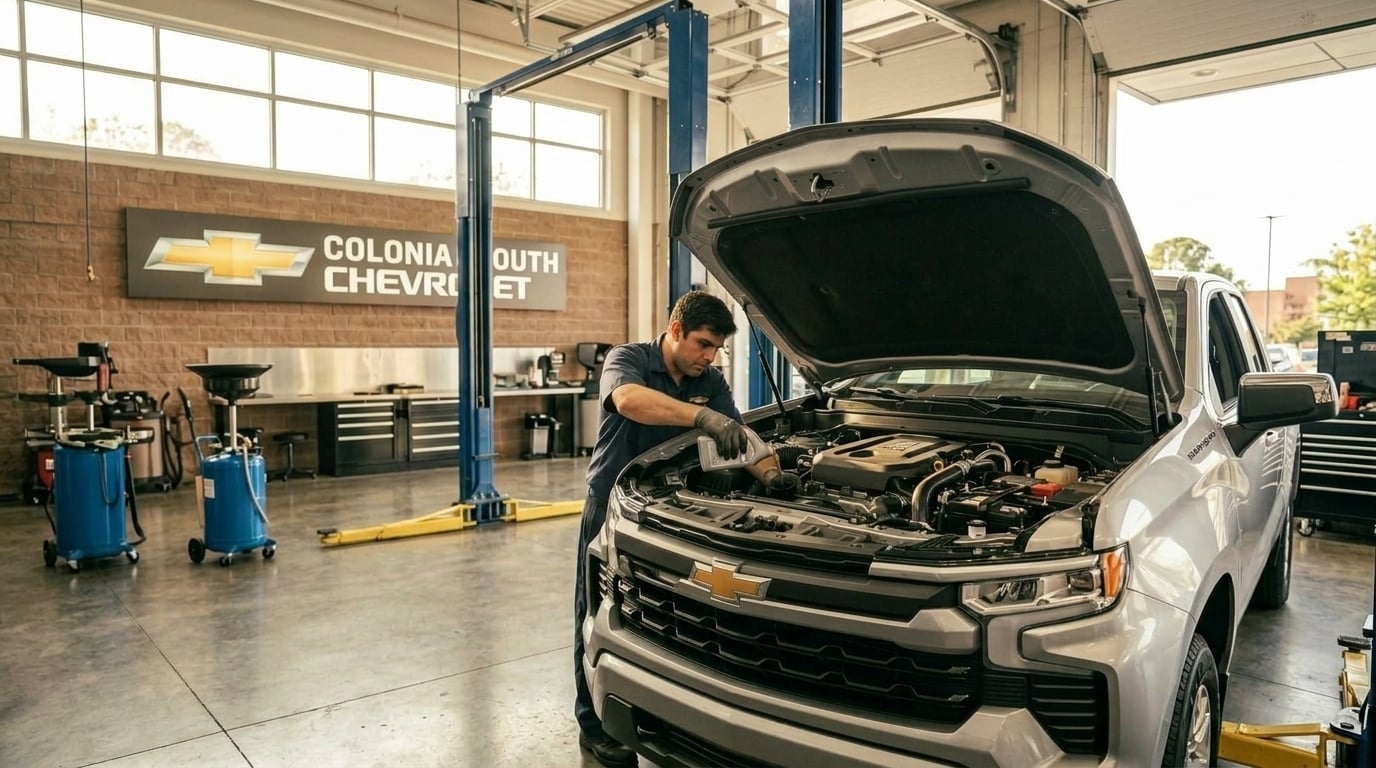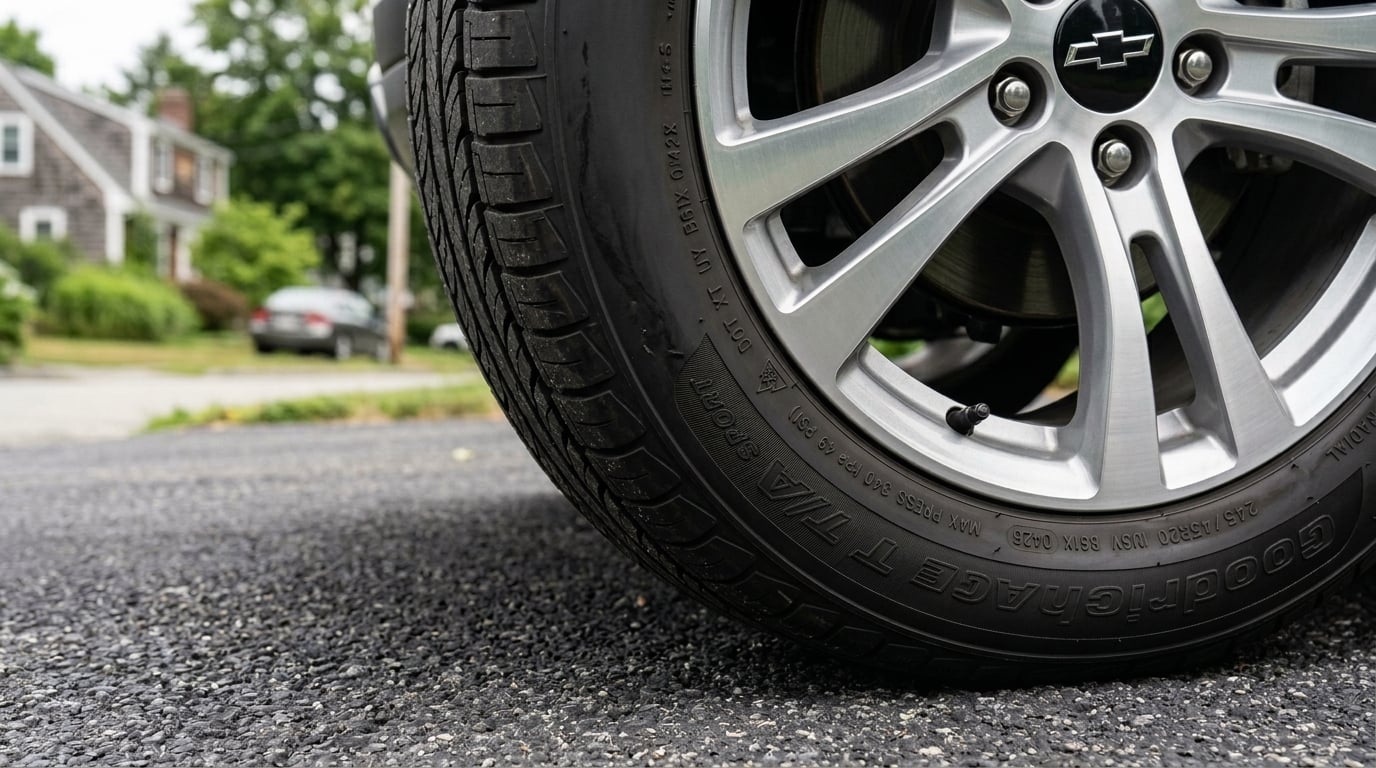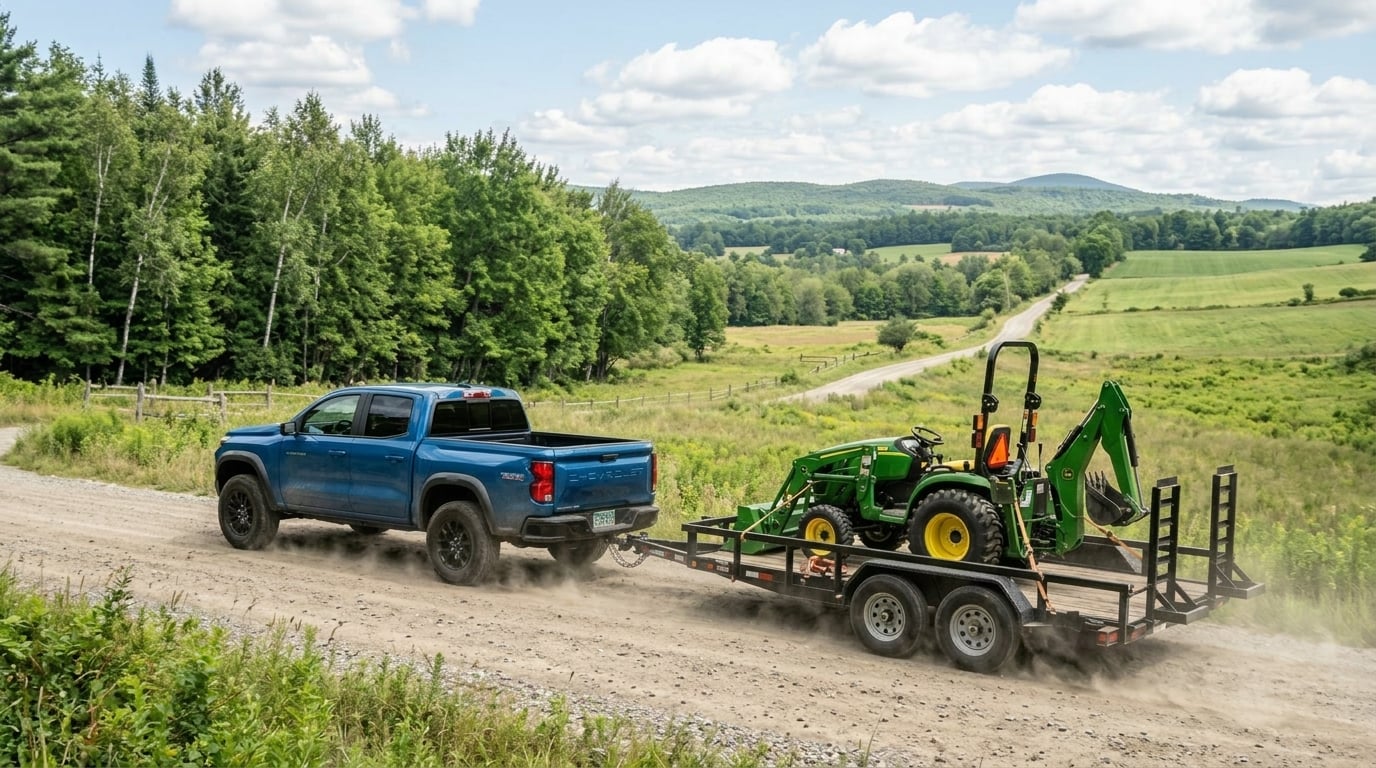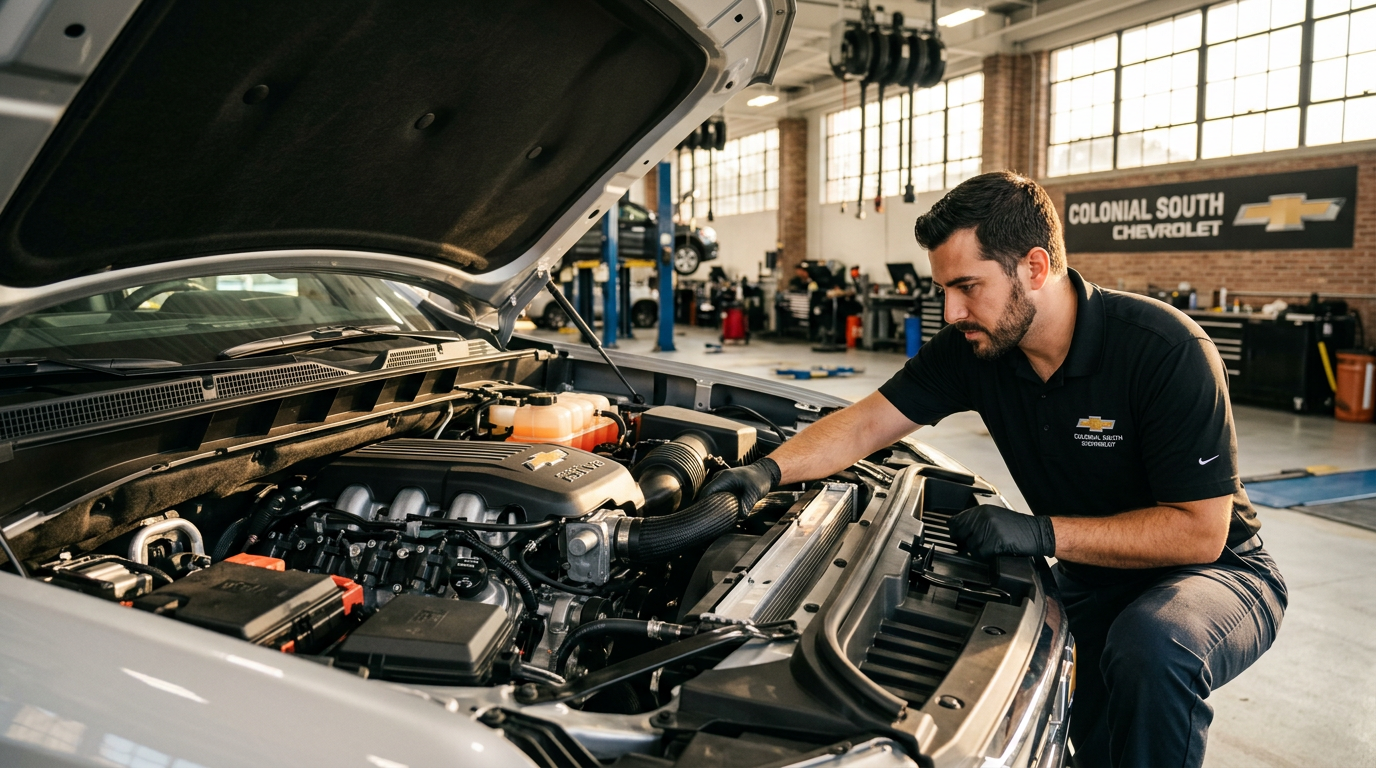




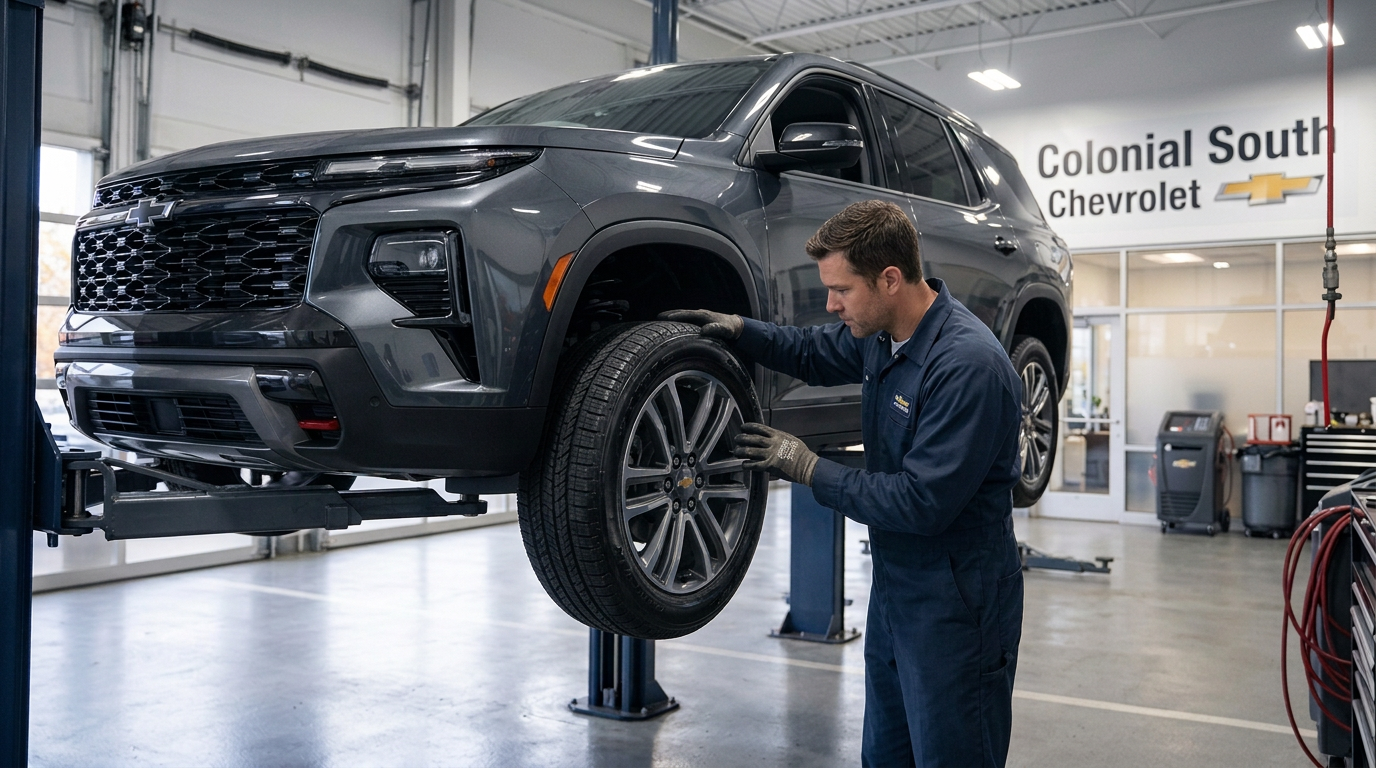
The best replacement tires for a Chevrolet Traverse balance high load capacity, low road noise, and dependable all-weather traction. Premium crossover and SUV touring tires like the Bridgestone Alenza AS Ultra, Continental CrossContact LX25, or Goodyear Assurance MaxLife match the chassis weight and handling demands of the Traverse, while all-weather models like the Michelin CrossClimate2 provide enhanced winter grip. Selecting a tire with a heavy-duty load index ensures stable highway tracking and responsive braking, especially when carrying a full load of seven passengers or towing trailer weights up to 5,000 pounds. The Chevrolet Traverse relies on its tires to maintain precise steering geometry and power delivery from its 2.5L turbocharged engine, which produces 328 hp and 326 lb-ft of torque through an 8-speed automatic transmission. Midsize crossover tires must maintain structural rigidity under cornering stress while absorbing pavement harshness. Standard highway all-season tires emphasize tread longevity and lower rolling resistance, helping maintain factory fuel economy ratings around 20 mpg city / 24 hwy. When evaluating tire options, consider how your vehicle is used day to day. Touring all-season models feature optimized tread pitch patterns that minimize interior cabin noise on long trips. All-terrain options designed specifically for crossovers offer reinforced sidewalls and broader shoulder blocks, which improve traction on unpaved surfaces without causing excessive highway vibration. Choosing tires with a treadwear rating of 600 or higher provides lasting performance across multi-year maintenance cycles. Our certified technicians evaluate tread depth, wear patterns, and load ratings to recommend replacement options tailored to your driving habits. To consult with our team or schedule a comprehensive tire inspection, reach out by calling (508) 996-6266 or visit our North Dartmouth service location. Table of Contents What Sizes, Wheel Dimensions, and Tire Pressures Come Standard on the Chevrolet Traverse? What Happens If You Replace Only One Tire on an AWD Chevrolet Traverse? Are All-Weather Tires Better Than Standard All-Season Tires for Massachusetts Driving? How Often Should You Perform a Wheel Alignment on a Chevrolet Traverse? Which Nearby Chevrolet Service Center Can Traverse Owners Contact for Tire Service? Common Questions About Chevrolet Traverse Tires and Service Schedule Professional Chevrolet Traverse Tire Care at Colonial South Chevrolet What Sizes, Wheel Dimensions, and Tire Pressures Come Standard on the Chevrolet Traverse? Original equipment tire sizes on the Chevrolet Traverse range from 255/65R18 on standard trims to 255/55R20, 265/65R18, and 275/45R22 on sport and off-road packages, using a 6x120 mm wheel bolt pattern and a factory recommended cold tire pressure of 35 PSI. You can verify your vehicle's specific tire size, speed rating, and inflation pressure by checking the tire information label located on the driver-side door jamb. Trim Level Standard Tire Size Rim Diameter Factory Recommended Cold Pressure LS / LT 255/65R18 18-inch 35 PSI Z71 265/65R18 18-inch 35 PSI RS 275/45R22 22-inch 35 PSI High Country / Premier 255/55R20 20-inch 35 PSI Wheel dimensions for the Chevrolet Traverse feature rim widths from 7.5 inches to 8.5 inches depending on the trim configuration. The 255/65R18 size provides a tall sidewall profile that absorbs impacts from potholes and broken pavement, delivering maximum ride comfort. Upgrading to 20-inch or 22-inch wheels shortens the sidewall profile, which quickens steering response during lane changes at the expense of a firmer ride over expansion joints. Maintaining proper tire pressure is essential for even treadwear and accurate safety system readings. Under-inflating tires by just 5 PSI increases rolling resistance, degrades fuel efficiency, and causes premature wear along the outer tire shoulders. Over-inflating creates a stiff center contact patch, reducing overall grip and increasing stopping distances. Tire pressure should always be adjusted when tires are cold, as highway driving elevates internal air pressure by 3 to 5 PSI during normal thermal expansion. The Tire Pressure Monitoring System (TPMS) tracks air pressure at all four positions using wireless rim-mounted sensors. When rotating tires or installing new rubber, the TPMS system must be recalibrated so the vehicle driver display accurately reports pressure positions. Standard sensor relearn procedures sync each sensor's radio frequency to the vehicle's onboard computer during routine tire rotations. What Happens If You Replace Only One Tire on an AWD Chevrolet Traverse? Replacing only a single tire on an all-wheel-drive 2027 Chevrolet Traverse creates a circumference mismatch between wheels, causing the AWD transfer case and differential assemblies to experience continuous mechanical friction and heat buildup. Because the new tire has a full tread depth while the remaining three tires are partially worn, the newest tire rotates at a slightly slower speed than the rest. The intelligent all-wheel-drive system relies on wheel speed sensors to detect loss of traction. When tread depth variance across axles exceeds 2/32 of an inch, the wheel speed sensors transmit conflicting rotational data to the AWD control module. The system interprets this rotational speed difference as ongoing wheel slip, improperly engaging internal clutch packs and subjecting the drivetrain components to premature wear. Mechanical consequences of mismatched tire tread depths include: Binding and thermal stress inside the front transfer unit and rear drive module. Excessive friction across internal differential pinion and ring gears. Erroneous engagement of electronic traction control and stability management systems. Uneven tire scrub that accelerates wear on remaining tires and steering linkages. When an unrepairable puncture occurs on one tire, replacing tires in matching pairs across the same axle is the absolute minimum requirement, provided the opposing axle tires retain substantial tread. The recommended practice for all-wheel-drive vehicles is replacing all four tires simultaneously. If single-tire replacement is unavoidable due to an emergency, specialized tire shaving services can reduce a new tire's tread depth to match the remaining three tires exactly. Are All-Weather Tires Better Than Standard All-Season Tires for Massachusetts Driving? All-weather tires are superior to standard all-season tires for regional winter driving because they feature the Three-Peak Mountain Snowflake (3PMSF) emblem and flexible tread compounds engineered for freezing temperatures. Standard all-season tires carry an M+S (Mud and Snow) designation, but their rubber compounds harden when ambient temperatures drop below 45 degrees Fahrenheit, reducing traction on cold asphalt. In coastal New England, weather conditions swing rapidly between freezing rain, slush, black ice, and dry pavement. All-weather tires utilize advanced silica-enriched rubber formulations that remain pliable down to sub-zero temperatures. Their tread blocks incorporate high-density directional sipes that bite into packed snow while clearing standing water through slush evacuation channels. The rural setting in Rochester features open farmland and unpaved back roads where winter snow and mud season create slick, rutted driving conditions that quickly overpower conventional all-season tread patterns. Unlike dedicated winter tires that require removal in spring to prevent heat damage on warm pavement, all-weather tires are designed for year-round service. They resist tread squirm and rapid wear during hot summer driving, eliminating the labor and storage costs associated with twice-yearly tire swaps. For Traverse owners seeking maximum winter traction without maintaining two sets of wheels, all-weather tires deliver the ideal balance of safety, longevity, and convenience. How Often Should You Perform a Wheel Alignment on a Chevrolet Traverse? A wheel alignment on a Chevrolet Traverse should be performed once a year or every 12,000 to 15,000 miles, as well as whenever new tires are installed or suspension components are replaced. Regular alignment verifications prevent premature tire scrubbing, maintain straight-line tracking, and protect steering linkage components from asymmetric load forces. Traverse commuters in Wareham who travel daily along coastal routes encounter frost heaves, bridge expansion joints, and road construction seams that gradually shift camber and toe angles out of factory specification. Common indicators that your vehicle requires an alignment inspection include: The steering wheel rests off-center while driving on a straight, level road. The vehicle drifts or pulls toward one side when releasing steering wheel pressure. Accelerated tread wear appears along the inner or outer shoulder of a tire. The steering wheel exhibits an abnormal vibration or feathered tread edges develop across tire blocks. Alignment Maintenance Schedule Checklist: ├── Every 7,500 Miles: Perform tire rotation and inspect tread wear pattern. ├── Every 12,000–15,000 Miles: Conduct a 4-wheel alignment check. ├── At New Tire Installation: Perform full 4-wheel alignment to protect warranty. └── Post-Impact Event: Check alignment immediately after hitting severe potholes or curb hazards. The Chevrolet Traverse utilizes an independent front and rear suspension architecture. A complete service requires a four-wheel alignment to adjust front toe, front camber, rear toe, and rear camber to factory settings. Aligning only the front wheels leaves the rear thrust angle uncorrected, causing the vehicle to dog-track and forcing the electronic stability control system to make continuous steering corrections. Which Nearby Chevrolet Service Center Can Traverse Owners Contact for Tire Service? Traverse owners in North Dartmouth and surrounding South Coast communities can rely on Colonial South Chevrolet for factory-approved tire replacement, four-wheel alignment, and complete suspension maintenance. Located at 361 State Rd Rte, 6, North Dartmouth, MA 02747, our facility features computerized wheel alignment bays, high-speed road-force balancers, and GM-certified technicians specialized in Chevrolet crossover utility vehicles. Our service department carries original equipment tires designed specifically for the Traverse chassis, as well as recommended all-weather and all-terrain options from leading tire manufacturers. Every tire installation includes new valve stems, precision balancing, TPMS sensor recalibration, and an inspection of brake pads and suspension bushings. To schedule your vehicle for tire mounting, wheel alignment, or routine tire rotation, contact our service advisors by calling (508) 996-6266 or submit your request through our online tool by scheduling a service appointment online. If you are visiting our dealership for the first time, map your route directly to our North Dartmouth service center address. Common Questions About Chevrolet Traverse Tires and Service Q: Can incorrect tire pressure trigger false TPMS warnings on the Chevrolet Traverse? Ambient temperature drops of 10 degrees Fahrenheit lower tire inflation pressure by approximately 1 PSI. During overnight freezes, cold temperatures often drop tire pressure below the TPMS threshold, lighting the dashboard warning indicator even when tires have no punctures. Adjusting cold pressure to the factory 35 PSI setting clears the warning light after driving a short distance. Q: Does the Chevrolet Traverse require special equipment for tire mounting and balancing? Due to large wheel diameters up to 22 inches and integrated TPMS sensors, mounting Traverse tires requires touchless tire levers and rim clamps that protect aluminum alloy finishes. Road-force balancers apply a roller against the spinning tire to simulate vehicle weight, identifying internal tread stiff spots and rim runout that standard spin balancers miss. Q: How does tire tread depth affect electronic driver-assist safety systems? Systems like Forward Automatic Braking and Lane Keep Assist rely on predictable tire traction to calculate stopping distances and stability interventions. Severely worn tires increase anti-lock braking system (ABS) stopping distances on wet roads, altering vehicle pitch and interfering with radar and camera calibration timing. Q: Are tire rotations included during standard Chevrolet Traverse oil change services? Tire rotations are recommended every 7,500 miles, aligning directly with engine oil and filter change intervals. Performing rotations at every oil service swaps front drive tires to the rear axle, evening out front-wheel cornering wear and maximizing tread life across all four positions. Q: What causes feathering wear across the tread blocks of a Traverse tire? Feathered tread blocks—where one edge of each tread rib feels smooth while the opposite edge feels sharp—indicate incorrect toe alignment. Excessive toe-in or toe-out forces the tire to scrub sideways across the pavement while rolling forward, wearing down tread blocks unevenly and generating excessive road noise. Schedule Professional Chevrolet Traverse Tire Care at Colonial South Chevrolet Maintaining proper tire tread depth, correct inflation pressures, and precise wheel alignment preserves the smooth ride quality, fuel economy, and safety of your Chevrolet Traverse. Neglecting tire maintenance accelerates tread wear, strains all-wheel-drive components, and compromises stopping power during critical winter driving situations. Our service department provides comprehensive chassis inspections, factory recall verifications, and professional tire installations tailored to your vehicle's specific trim requirements. Trust our factory-trained technicians to keep your crossover running at peak safety and efficiency season after season. Reach out to our team today to confirm fitment details, discuss seasonal tire choices, or arrange your next maintenance service. © 2026 Colonial South Chevrolet. All rights reserved.
What Coverage Is Included in the Chevrolet Equinox Factory Warranty?
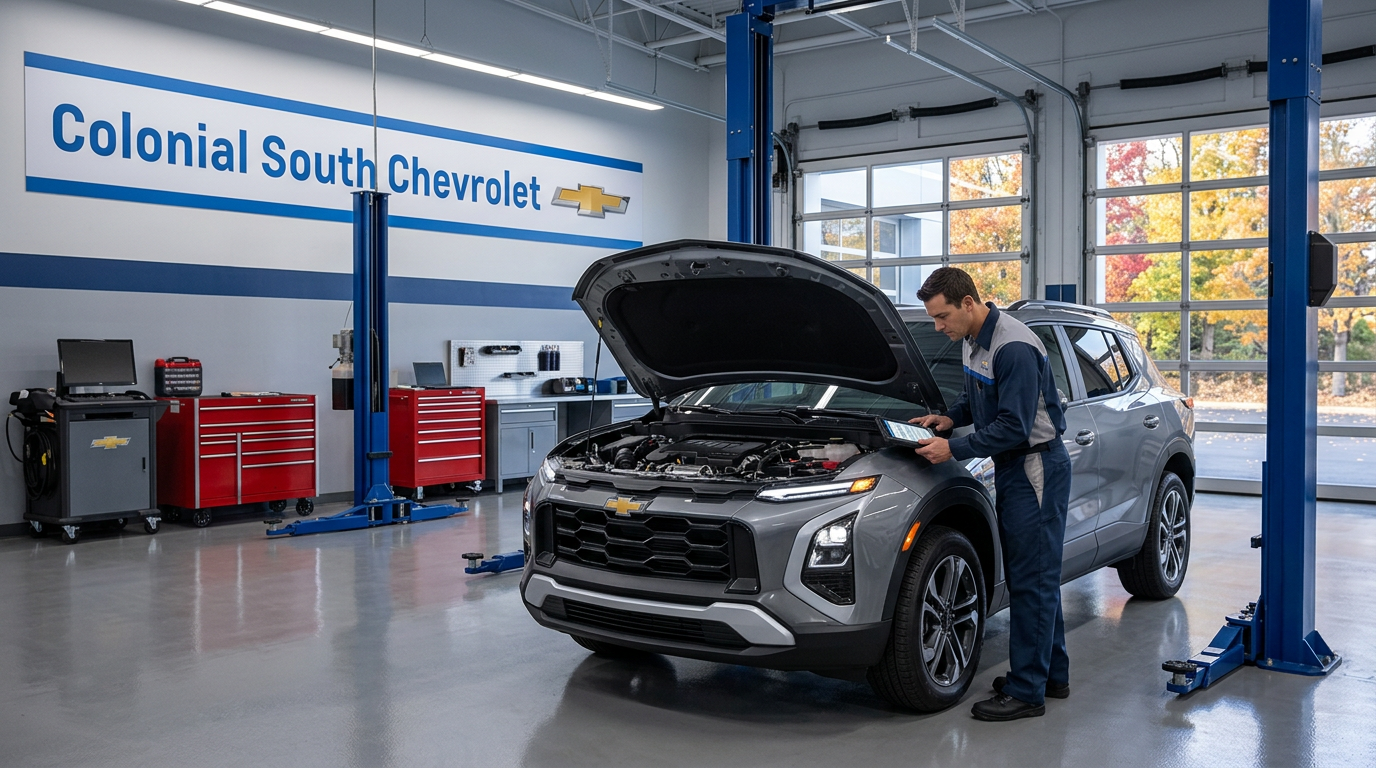
Every new Chevrolet Equinox comes from the factory with a 3-year/36,000-mile bumper-to-bumper limited warranty, a 5-year/60,000-mile powertrain limited warranty, 5 years or 60,000 miles of roadside assistance, 6 years or 100,000 miles of rust-through corrosion protection, and one complimentary maintenance visit within the first 12 months or 12,000 miles. Factory warranty coverage guarantees that any defect in factory materials or workmanship is repaired at zero cost to the owner for parts and labor. The factory coverage structure protects your crossover from the moment you take delivery. The bumper-to-bumper limited coverage acts as a broad safety net for virtually all mechanical, electrical, and electronic components, resolving issues ranging from infotainment screen faults to power window regulator failures. Meanwhile, the powertrain coverage extends further in time and mileage to protect the core mechanical components that propel the vehicle. Owners also receive long-term corrosion safeguard coverage. Chevrolet includes sheet-metal corrosion protection for 3 years or 36,000 miles, which expands to 6 years or 100,000 miles of rust-through protection if metal perforates due to corrosion. This long-term protection is vital for vehicle longevity, especially during winter months when road salt and brine are applied heavily to local roadways. To keep these comprehensive factory coverage plans fully intact, factory repairs must be performed by certified technicians using OEM parts. Drivers looking to verify their remaining warranty window or schedule a diagnostic check can drop by our North Dartmouth service center or give our service department a quick call at (508) 996-6266 to speak directly with an advisor. Table of Contents What Specific Repairs Are Covered Under Chevrolet Bumper-to-Bumper and Powertrain Warranties? Does Chevrolet Include Complimentary Maintenance and What Is the Recommended Equinox Schedule? How Do Equinox Engine Options, ACTIV Trim Equipment, and Fuel Economy Impact Service Needs? Where Can Bristol County Drivers Get Authorized Chevrolet Equinox Warranty Service? Common Questions About Chevrolet Equinox Warranty Repairs and Maintenance Schedule Your Authorized Chevrolet Equinox Warranty Service What Specific Repairs Are Covered Under Chevrolet Bumper-to-Bumper and Powertrain Warranties? The Chevrolet Bumper-to-Bumper Limited Warranty covers repairs on the entire vehicle to correct defects in materials or workmanship, while the Powertrain Limited Warranty specifically covers internal mechanical engine components, the transmission, and drive axle assemblies. Standard wear-and-tear items such as brake pads, wiper blades, and tire tread are excluded from warranty coverage, but unexpected electrical, mechanical, or structural component failures within the specified time and mileage limits are fully covered. Under the 3-year/36,000-mile bumper-to-bumper limited warranty, covered items include: Audio, infotainment, and display systems, including the 11.3-inch diagonal touchscreen and instrument cluster screens Heating, ventilation, and air conditioning (HVAC) compressors, blower motors, and automatic climate control modules Electrical wiring harnesses, power seat motors, window regulators, and door lock actuators Driver-assist hardware, including Chevy Safety Assist cameras, radar sensors, and Blind Zone Alert Steering Assist modules Exterior lighting assemblies, including LED headlamp modules and taillamps Under the 5-year/60,000-mile powertrain limited warranty, covered components include: The 1.5L turbocharged engine block, cylinder head, turbocharger assembly, oil pump, water pump, and internal valvetrain components The eight-speed automatic transmission or CVT, including internal gears, torque converter, transmission control module, and valve body All-wheel-drive transfer case, front and rear drive axles, constant-velocity (CV) joints, and differential assemblies In addition to mechanical repairs, Chevrolet includes 24/7 emergency support through its factory roadside assistance program for 5 years or 60,000 miles. If a vehicle experiences a flat tire, dead battery, unexpected mechanical breakdown, or lock-out on the road, owners can call Chevrolet Roadside Assistance at (800) 243-8872. Services provided include emergency towing to the nearest authorized Chevrolet service center, battery jump-starts, flat tire changes using the vehicle spare, lockout assistance, and emergency fuel delivery. Does Chevrolet Include Complimentary Maintenance and What Is the Recommended Equinox Schedule? Chevrolet includes one complimentary maintenance visit for every new Equinox within the first 12 months or 12,000 miles of ownership, covering a factory oil and filter change, tire rotation, and a comprehensive multi-point vehicle inspection. Following this initial visit, Chevrolet recommends bringing the Equinox in for service every 7,500 miles to maintain engine health and protect factory warranty eligibility. Adhering to factory-specified maintenance intervals prevents premature component wear and provides documented service history, which is critical if a major warranty claim ever arises. Our service department follows this official Chevrolet maintenance schedule for the Equinox: Every 7,500 miles or 6 months: Change engine oil and replace the engine oil filter, rotate all four tires, inspect tire tread wear and inflation pressures, test the 12-volt battery, and perform a multi-point inspection of brake pads, rotors, wiper blades, and fluid levels. Every 22,500 miles: Replace the cabin air filter to ensure clean airflow through the heating and air conditioning systems and prevent dust buildup on evaporator coils. Every 45,000 miles: Replace the engine air filter element to preserve optimal air-to-fuel ratios and protect the turbocharger, inspect evaporative control systems, and check automatic transmission fluid condition. Every 75,000 to 100,000 miles: Replace spark plugs, inspect fuel injection systems, flush engine coolant, and perform detailed driveline inspections on all-wheel-drive components. When bringing your crossover in for scheduled visits, our factory-trained technicians complete a digital multi-point inspection report. This complimentary assessment evaluates brake pad thickness, suspension joint tightness, underbody condition, and tire tread depth, letting you know exactly what requires immediate attention and what can be monitored for future service. How Do Equinox Engine Options, ACTIV Trim Equipment, and Fuel Economy Impact Service Needs? The 2027 Chevrolet Equinox in Dartmouth, MA, comes equipped with a 1.5L turbocharged engine generating 175 horsepower, paired with an eight-speed automatic transmission or CVT depending on the drivetrain, requiring specific synthetic oil formulations and routine drivetrain maintenance. Front-wheel-drive configurations achieve an EPA-estimated 26 mpg city / 29 mpg highway, while all-wheel-drive models deliver 24 mpg city / 29 mpg highway, making consistent tire rotations and air filter maintenance essential to preserving factory fuel economy numbers. Drivetrain and trim choices create distinct maintenance considerations over the life of the vehicle: Front-Wheel Drive vs. All-Wheel Drive: Front-wheel-drive models send power exclusively through the front transaxle, whereas all-wheel-drive variants add a transfer case, rear driveshaft, and rear differential module yielding up to 203 lb-ft of torque. All-wheel-drive transfer case and rear axle fluids require periodic inspection and replacement according to factory guidelines to ensure smooth torque distribution. ACTIV Trim Equipment: The trail-ready ACTIV trim features 17-inch dark aluminum wheels mounted with all-terrain tires, a uniquely-tuned suspension setup, and Evotex synthetic leather seating. All-terrain tires feature deeper tread blocks that benefit from strict 7,500-mile rotation intervals to prevent irregular heel-and-toe wear patterns. Turbocharger Service Considerations: Turbocharged engines place higher thermal demands on engine oil. Using Dexos-approved full synthetic oil protects turbocharger bearings from heat breakdown and carbon buildup. Driving conditions around coastal environments like Wareham subject undercarriage components, brake calipers, and exhaust hardware to constant salt air exposure. Routine underbody washing and regular brake slider lubrication prevent salt-induced corrosion and sticky brake calipers. Drivers looking to maintain their vehicle can explore our current service and parts coupons to save on routine maintenance items like synthetic oil changes and cabin air filters. Where Can Bristol County Drivers Get Authorized Chevrolet Equinox Warranty Service? Authorized Chevrolet Equinox warranty service must be performed at a certified Chevrolet dealership service center to ensure repairs are fully covered by General Motors and completed using genuine OEM parts. Independent repair shops can perform routine maintenance such as oil changes and tire rotations, but they cannot submit factory warranty claims or complete covered component replacements at zero cost to the vehicle owner. Bringing your Equinox to Colonial South Chevrolet for warranty repairs offers key technical advantages: Factory-Certified Technicians: Our service technicians undergo rigorous GM training programs specifically covering Chevrolet electrical architecture, turbocharged powertrains, and advanced driver-assist systems like Chevy Safety Assist. Genuine GM OEM Parts: All warranty repairs utilize genuine General Motors replacement components that match original factory specifications and come backed by factory parts warranty coverage. Specialized Diagnostic Tools: Our service bays are equipped with GM Multiple Diagnostic Interface (MDI) scanners and Techline software, enabling technicians to read proprietary trouble codes, perform module re-flashes, and execute technical service bulletins accurately. Direct Warranty Processing: Our service advisors process warranty claims directly through GM, eliminating out-of-pocket expenses for covered repairs and handling all documentation seamlessly. Living near rural agricultural areas around Rochester means commuting over unpaved access roads and gravel routes, which puts added stress on suspension bushings, ball joints, and wheel alignments. Our factory-equipped alignment racks and chassis diagnostic equipment allow our team to identify and resolve suspension wear or steering drift quickly under factory repair guidelines. Common Questions About Chevrolet Equinox Warranty Repairs and Maintenance Q: What preliminary factory warranty periods are listed for a new Chevrolet Equinox? New Chevrolet Equinox crossovers come with a 3-year or 36,000-mile bumper-to-bumper limited warranty alongside a 5-year or 60,000-mile powertrain limited warranty. Additional preliminary factory protections include 5 years or 60,000 miles of 24/7 roadside assistance, 6 years or 100,000 miles of rust-through corrosion coverage, and one complimentary initial maintenance visit within the first 12 months or 12,000 miles. Q: Does the Chevrolet Bumper-to-Bumper Limited Warranty cover infotainment software glitches? Yes, the bumper-to-bumper warranty covers factory-installed electronic systems, including software diagnostics and hardware replacements for the 11.3-inch diagonal touchscreen, Bluetooth connectivity modules, and digital instrument displays. If your touchscreen experiences freezing, rebooting, or wireless Apple CarPlay connectivity issues within 3 years or 36,000 miles, our service team will perform official software re-flashes or module replacements at no charge. Q: Will taking my Equinox to an independent shop void my factory warranty? No, routine scheduled maintenance performed by an independent repair facility will not void your Chevrolet factory warranty. However, any actual warranty repairs, recall fixes, or technical service bulletin updates must be performed by an authorized Chevrolet dealer. You must also keep detailed receipts for all outside maintenance services to prove that required oil changes and fluid services were completed on schedule if a related engine claim occurs. Q: How long does the Chevrolet Powertrain Warranty cover the turbocharger and all-wheel-drive system? The factory powertrain warranty protects the 1.5L turbocharged engine, turbocharger housing, internal bearings, all-wheel-drive transfer case, and rear axle assemblies for 5 years or 60,000 miles, whichever comes first. If a mechanical component failure occurs within this window, parts and labor costs are completely covered when repaired by an authorized Chevrolet service department. Q: What should I bring with me when dropping off my Equinox for warranty service? When bringing your vehicle in for warranty inspection, bring your vehicle registration, current mileage reading, driver's license, and any previous maintenance documentation if the repair relates to a serviced component. Providing clear details regarding when the issue occurs—such as during cold starts or highway braking—helps our service advisors log accurate diagnostic notes for technician troubleshooting. To reserve a convenient appointment slot, you can easily book service online prior to visiting. Schedule Your Authorized Chevrolet Equinox Warranty Service Maintaining your Equinox with certified factory care ensures your crossover delivers reliable performance, optimal fuel economy, and maximum resale value over the long haul. Whether your vehicle requires a routine 7,500-mile synthetic oil change, a multi-point safety inspection, or specialized diagnostic troubleshooting under your bumper-to-bumper or powertrain warranty, our service team in North Dartmouth is fully equipped to help. Our modern service facility features state-of-the-art GM diagnostic equipment, comfortable customer waiting lounges with Wi-Fi, and a dedicated team of certified technicians focused on getting you back on the road safely. To confirm your existing warranty coverage limits or schedule your next maintenance visit, navigate to our Dartmouth service department location or call our team directly at (508) 996-6266 today. © 2026 Colonial South Chevrolet. All rights reserved.