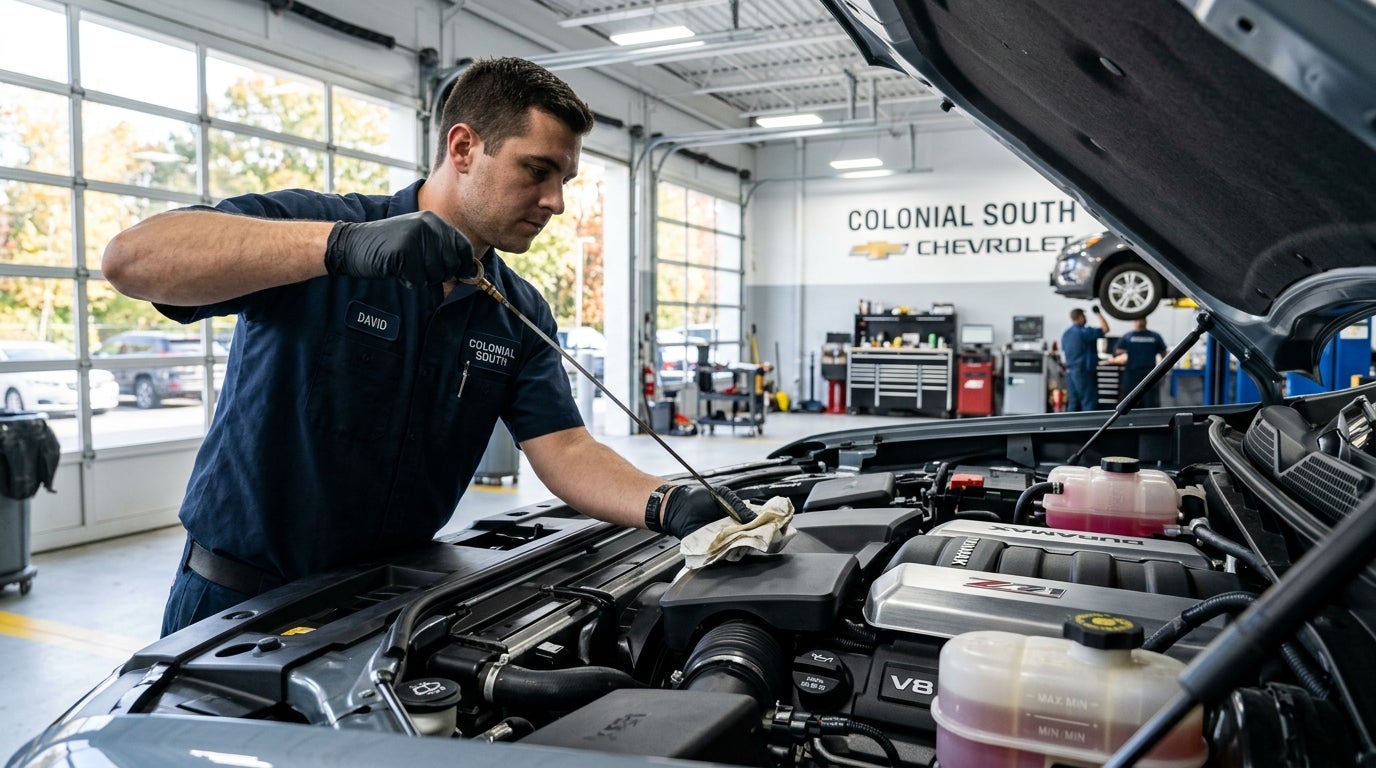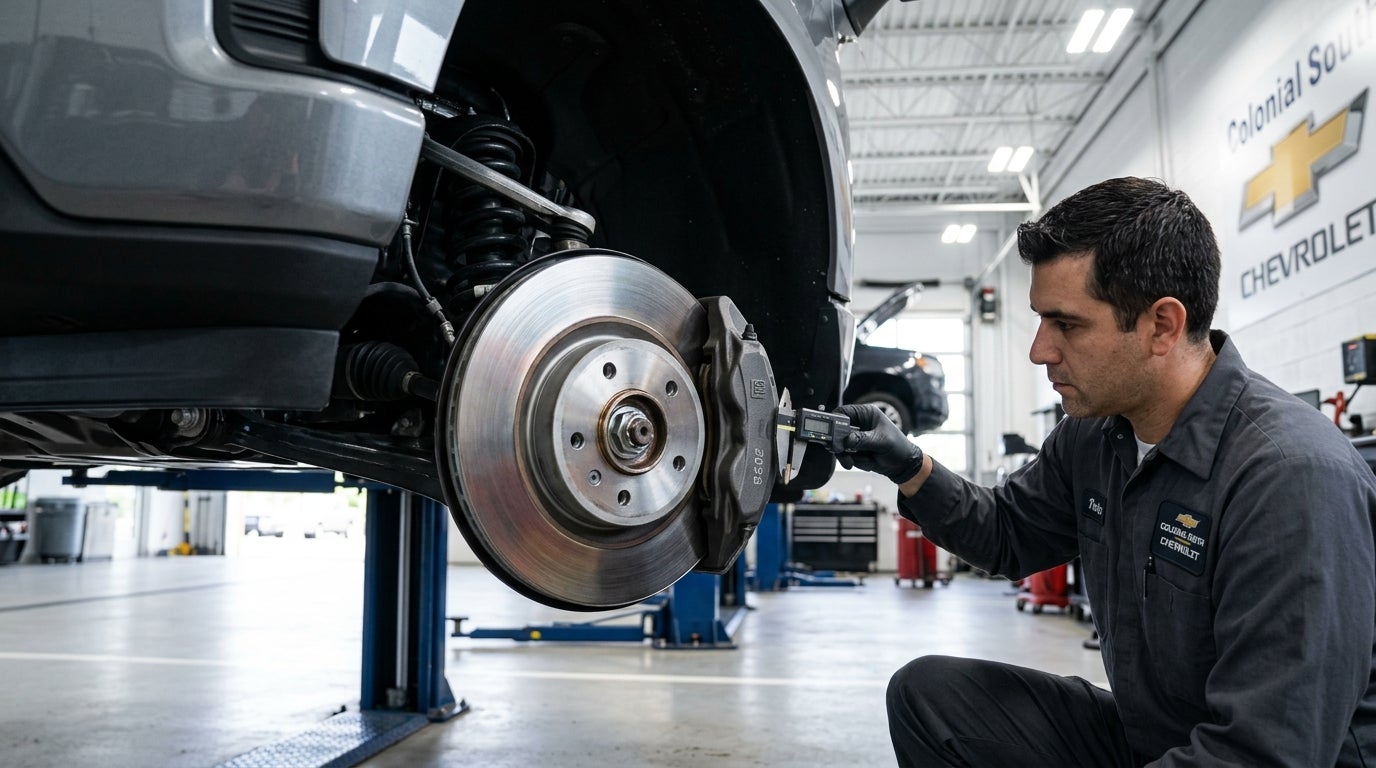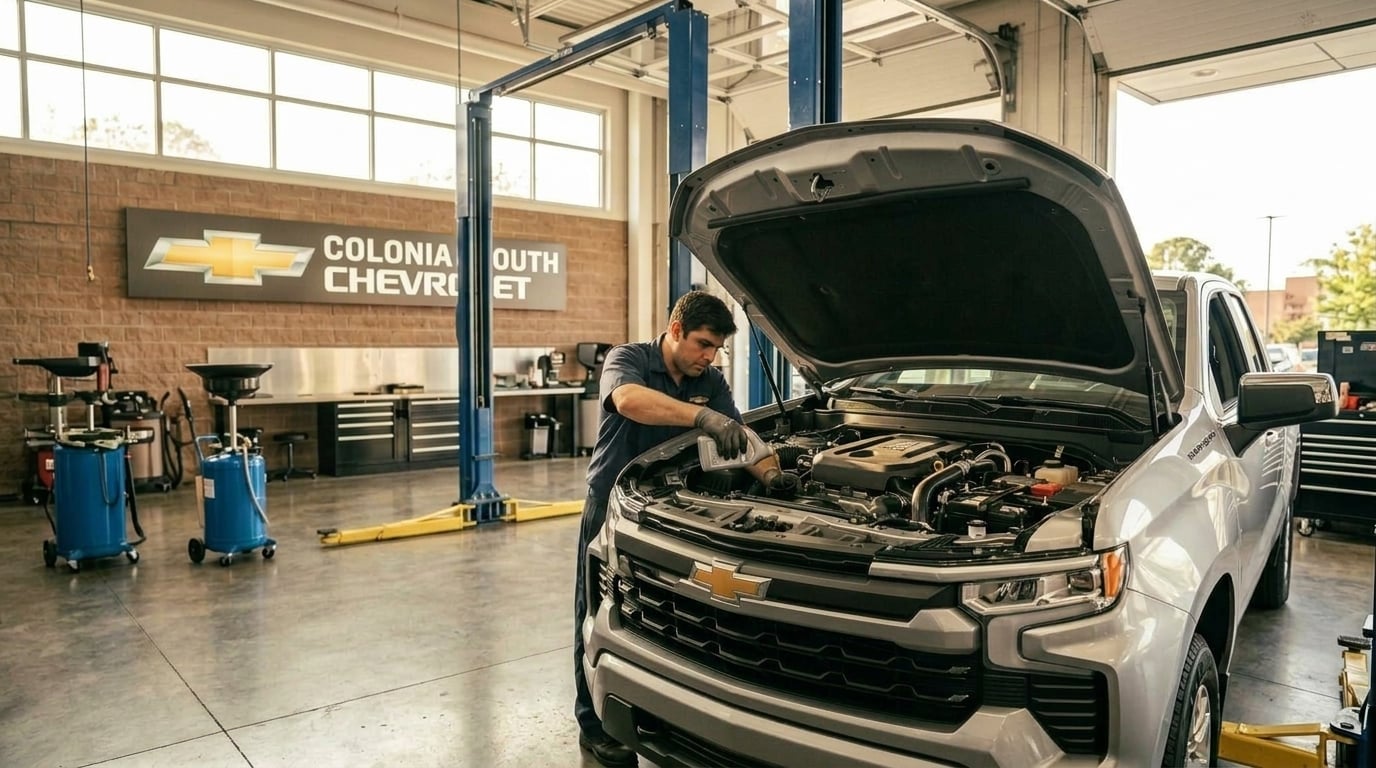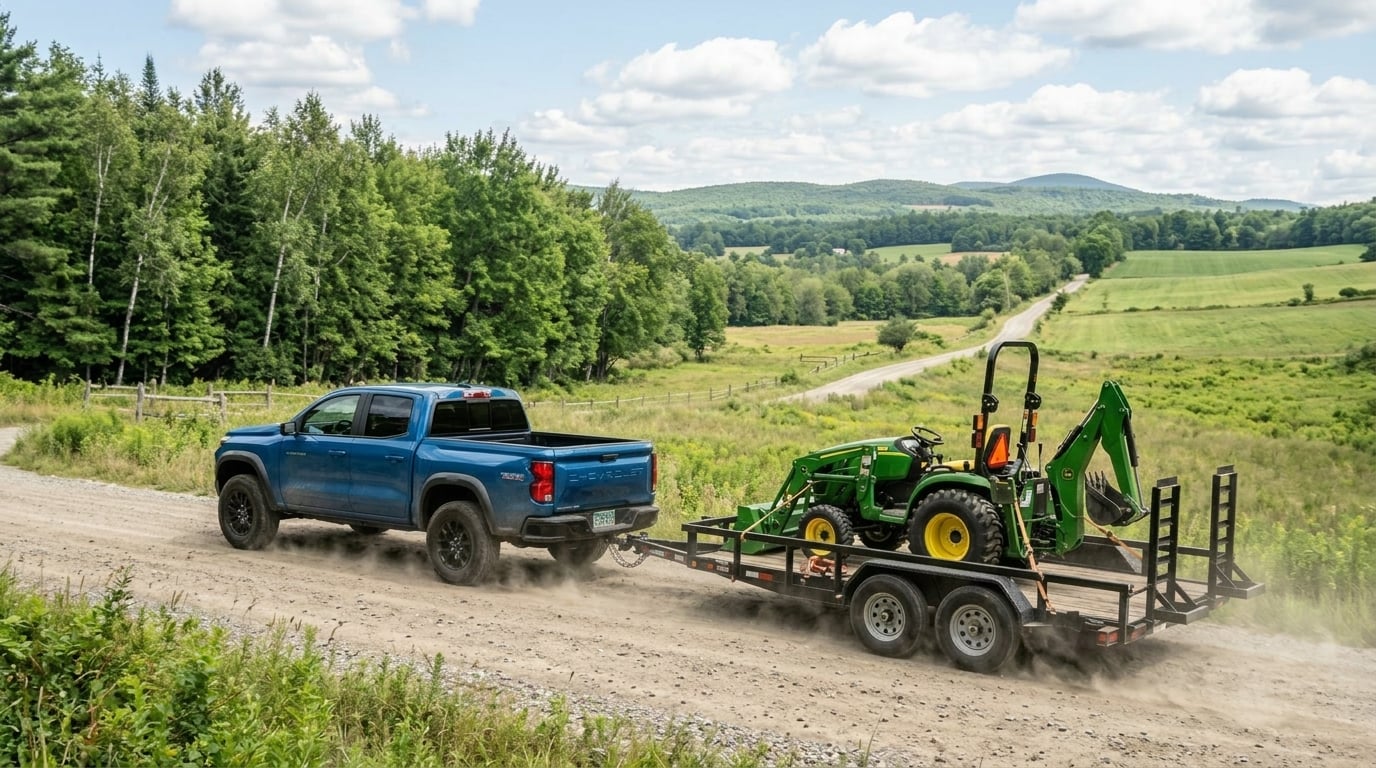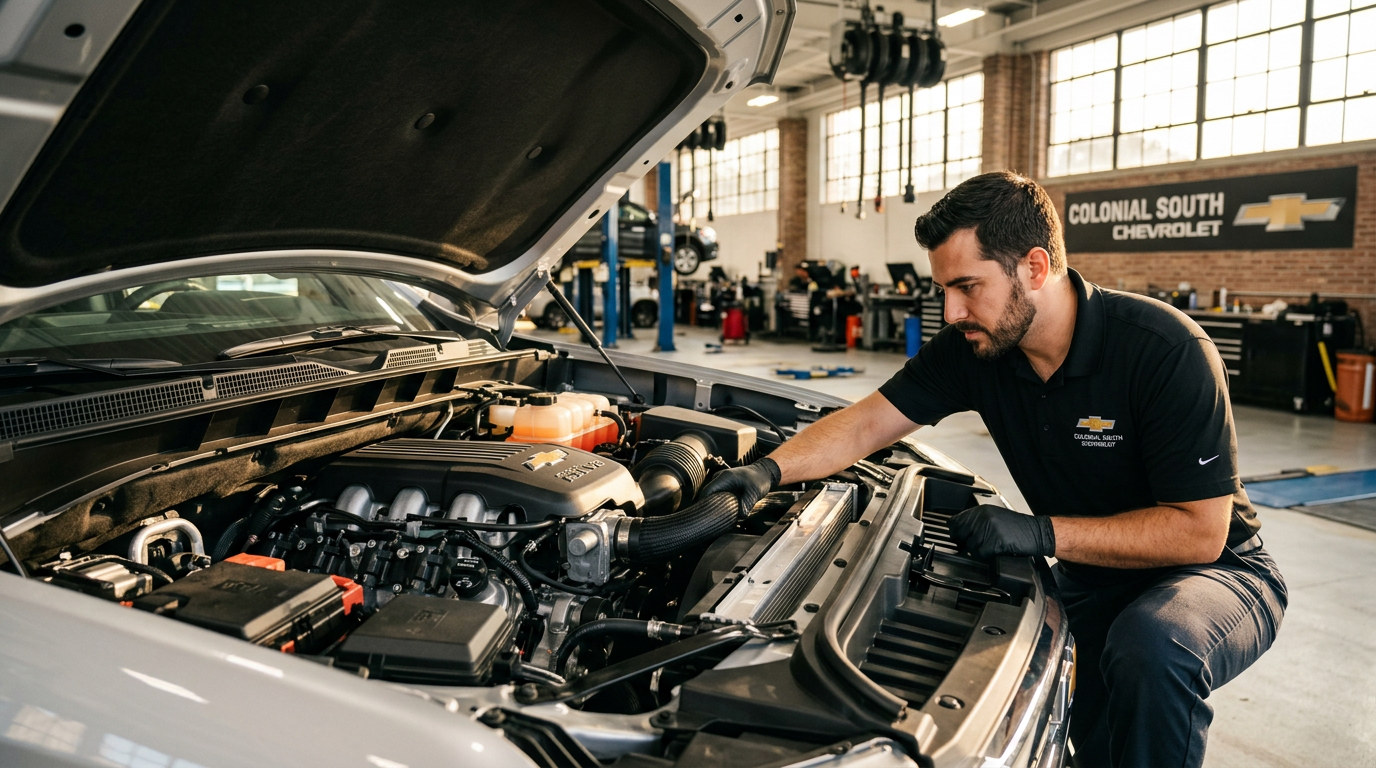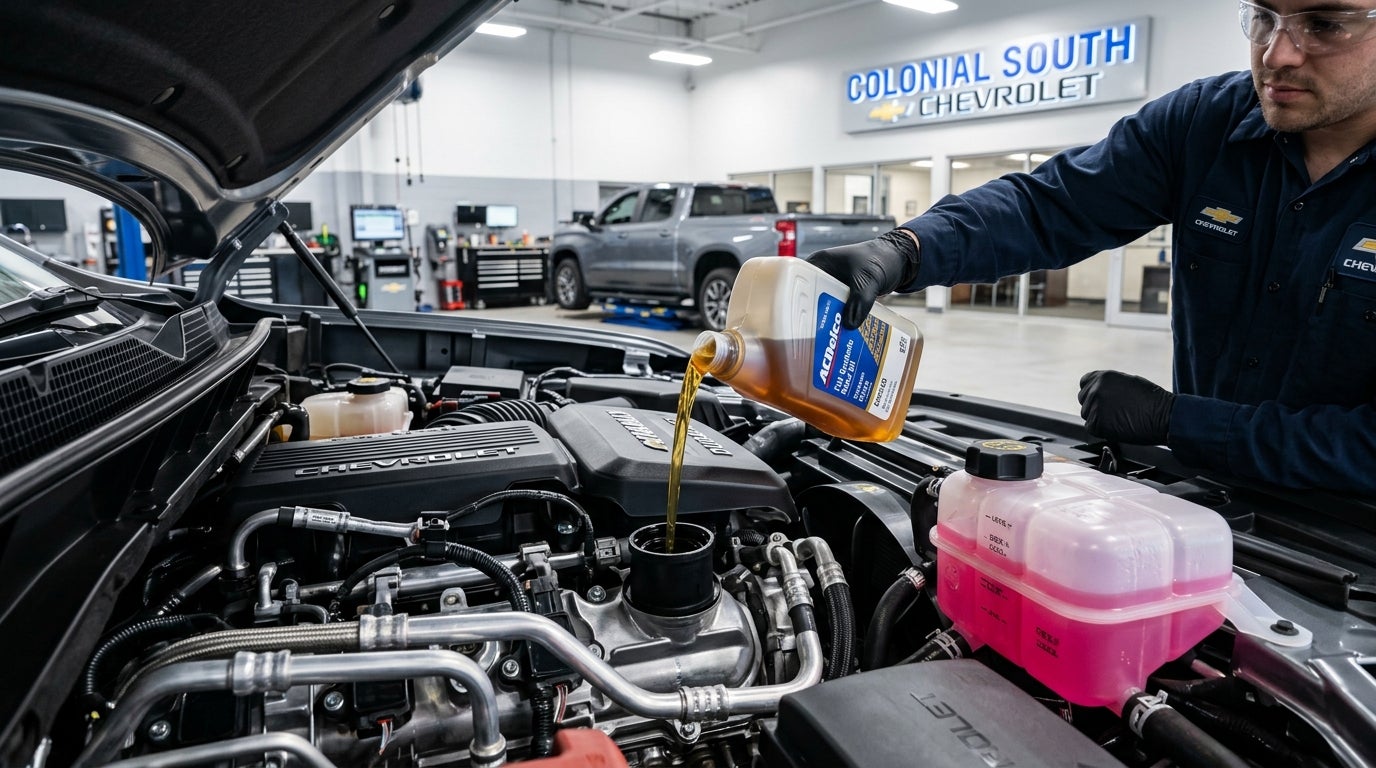




A 2026 Chevrolet requires six primary operational fluids: engine oil ( dexos certified), Dex-Cool engine coolant, DEXRON-VI or DEXRON ULV automatic transmission fluid, DOT 3 or DOT 4 brake fluid, hydraulic power steering fluid (on select equipped models), and freeze-resistant windshield washer fluid. Comprehensive fluid maintenance involves monitoring fluid levels, inspecting for thermal or chemical degradation, topping off depleted reservoirs, and performing full system flushes according to factory-specified maintenance schedules. Modern vehicles monitor routine service needs through automated onboard systems such as the Engine Oil Life System. Rather than relying strictly on fixed mileage intervals, this system calculates oil breakdown based on engine revolutions, operating temperatures, and driving patterns. However, secondary fluids like brake fluid, coolant, and transmission fluid still require routine manual inspections and periodic service to maintain hydraulic pressure, prevent mechanical wear, and guard against internal corrosion. Environmental conditions across New England directly influence how rapidly vehicle fluids degrade. Sub-zero winter temperatures, frequent stop-and-go driving, short trips that prevent engines from reaching full operating temperature, and exposure to corrosive road salt all contribute to severe operating conditions. In agricultural and rural settings around Rochester, unpaved back roads and dusty farm routes create fine particulate buildup that can contaminate engine oil and air filtration systems faster than standard highway driving. Under these severe service guidelines, fluid exchange intervals must be accelerated to protect internal engine and drivetrain components. Maintaining correct fluid levels and scheduled flushes protects your vehicle warranty and maximizes long-term reliability. Vehicle owners can visit our North Dartmouth service center for a complete fluid health check or speak with our certified technical team directly by giving us a quick call at (508) 996-6266. Table of Contents What Types of Fluids Does a 2026 Chevrolet Vehicle Require for Routine Maintenance? What Color Is Chevrolet Dex-Cool Coolant and How Often Should It Be Flushed? What Brake Fluid Specification Does Chevrolet Use and When Should It Be Serviced? How Much Does a Chevrolet Transmission Fluid Flush Cost on Average? Should Chevrolet Fluid Top-Ups and Flushes Be Done at a Dealer or an Independent Shop? Common Questions About Chevrolet Fluid Top-Ups and Flushes What Types of Fluids Does a 2026 Chevrolet Vehicle Require for Routine Maintenance? Routine maintenance for a 2026 Chevrolet relies on factory-approved fluid formulations specifically engineered to withstand precise thermal and mechanical thresholds. General Motors mandates strict fluid standards, including dexos1 Full Synthetic motor oil, Dex-Cool extended-life coolant, and DEXRON automatic transmission fluid, to protect close-tolerance engine and transmission assemblies. Every fluid serves a specialized functional role within the vehicle: Engine Oil: Lubricates moving internal parts, reduces friction, and carries heat away from the engine block. Modern gasoline engines require full synthetic oils meeting the dexos1 Gen 3 standard, while diesel variants require dexosD formulations. Engine Coolant: Manages engine operating temperatures and protects internal metal passages from rust and cavitation. Chevrolet uses silicate-free Dex-Cool organic acid technology coolant. Transmission Fluid: Acts as a hydraulic fluid to power gear shifts, cool planetary gear sets, and lubricate internal clutches. Modern multi-speed transmissions utilize synthetic DEXRON-VI or ultra-low viscosity DEXRON ULV. Brake Fluid: Transfers physical pedal pressure into hydraulic force to activate brake calipers and wheel cylinders. Vehicles use heavy-duty DOT 3 or DOT 4 specifications depending on trim and braking system design. Power Steering Fluid: Provides hydraulic assistance on models fitted with hydraulic steering pumps. Many late-model vehicles use electric power steering ( EPS), which eliminates hydraulic steering fluid entirely. Windshield Washer Fluid: Clears road grime, salt spray, and debris from the windshield. Winter formulations must contain freeze-inhibiting agents capable of remaining liquid down to -20°F. Our technicians note that checking engine oil on level ground after the engine has been switched off for several minutes allows the oil to drain back into the pan, providing the most accurate dipstick reading. Neglecting fluid levels or utilizing non-compliant formulations can result in accelerated component wear, reduced fuel efficiency, and internal mechanical damage. What Color Is Chevrolet Dex-Cool Coolant and How Often Should It Be Flushed? Chevrolet Dex-Cool coolant is bright orange in color, distinguishing it from conventional green ethylene glycol coolants. Under normal operating conditions, General Motors recommends flushing and replacing Dex-Cool every 5 years / 150,000 miles, whichever comes first. Mixing traditional green coolant with orange Dex-Cool is extremely harmful to the cooling system. The chemical interaction between conventional silicates and organic acid technology causes the fluid to gel, creating thick blockages inside radiator cores, heater cores, and engine water jackets. This gelling starves the engine of proper coolant flow, leading to rapid overheating, blown head gaskets, and cracked engine blocks. Severe driving conditions require more frequent cooling system inspections and potential fluid exchanges. Commuters and outdoor enthusiasts towing boat trailers near coastal launching ramps in Wareham subject their engines to sustained high loads under humid, salty ambient conditions. Heavy trailering, prolonged idling, and stop-and-go traffic increase thermal stress, causing anti-corrosion additives in the coolant to break down faster. Routine coolant flushes remove accumulated scale, neutralise acid buildup, and replace depleted corrosion inhibitors. A complete flush ensures the water pump, thermostat, and radiator remain clear of obstructions, preserving optimal operating temperatures year-round. What Brake Fluid Specification Does Chevrolet Use and When Should It Be Serviced? Chevrolet vehicles use DOT 3 or DOT 4 heavy-duty brake fluid, depending on the model, engine package, and performance braking options. GM guidelines recommend replacing brake fluid every 2 years / 45,000 miles or whenever testing reveals elevated moisture content. Brake fluid is naturally hygroscopic, meaning it continually absorbs moisture from the surrounding air through microscopic pores in brake hoses and reservoir seals. As water accumulates in the hydraulic system, it lowers the boiling point of the fluid. Under heavy braking, the heat generated by the pads and rotors can cause contaminated fluid to boil, creating vapor pockets that result in a spongy brake pedal, increased stopping distances, or total loss of hydraulic braking pressure. Moisture buildup also causes internal corrosion within expensive braking components, including ABS hydraulic control modules, master cylinders, and brake calipers. Rather than simply adding fresh fluid when the reservoir level drops, technicians must inspect the system for pad wear or hydraulic leaks. Owners can maintain braking safety by scheduling a routine service appointment for a complete system test and fluid exchange. How Much Does a Chevrolet Transmission Fluid Flush Cost on Average? A Chevrolet transmission fluid flush costs between $180 and $350 on average, depending on fluid capacity, filter design, and specific transmission architecture. This service covers draining old fluid, flushing internal passages and torque converters, installing fresh synthetic DEXRON fluid, replacing pan gaskets or internal filters where applicable, and resetting transmission adaptive software. Several technical factors influence the total cost of a transmission fluid exchange: Cost Factor Operational Impact Technical Details -- -- -- Fluid Type & Volume Multi-speed automatics require 8 to 12 quarts of full synthetic fluid. Uses licensed DEXRON-VI or DEXRON ULV formulations [2, 3]. Filter & Gasket Design Pan removal requires fresh seals and internal filter replacements. Sealed units utilize internal strainers or drop-pan filter kits [3]. Labor & Fluid Leveling Specialized scan tools verify fluid level at precise operating temperatures. Requires fluid temperature monitoring between 160°F and 200°F [2]. Service Procedure Simple drain-and-fill services cost less than full machine exchanges. Fluid exchanges replace 100% of contaminated fluid in lines and cooler [3]. Transmissions are complex, high-pressure hydraulic systems that rely on clean fluid to cool clutch packs and enable crisp gear engagement. Operating with burnt or oxidized fluid leads to harsh shifting, delayed engagement, slipping clutches, and premature transmission failure. Performing scheduled fluid flushes prevents expensive mechanical overhauls and keeps power delivery smooth. Should Chevrolet Fluid Top-Ups and Flushes Be Done at a Dealer or an Independent Shop? Having fluid services performed at an authorized Chevrolet dealership ensures your vehicle receives factory-approved ACDelco and dexos formulations applied by factory-trained technicians. Dealership service departments utilize specialized diagnostic equipment, such as GM GDS2 scan tools, to perform precise fluid level checks and computer adaptations that independent shops may lack. Independent repair shops often offer convenience and competitive labor rates, but they frequently use generic, multi-vehicle fluids. Using non-compliant fluid in modern Chevrolet transmissions, engines, or cooling systems can void manufacturer warranty coverage on affected components if a failure occurs. GM engine warranties strictly require oils that display the official dexos licensing seal on the container. Dealership service visits also ensure that all completed maintenance is logged into GM’s centralized vehicle service history database. This documented service history supports factory warranty claims, preserves resale value, and integrates directly with pre-paid maintenance programs and owner rewards structures. Common Questions About Chevrolet Fluid Top-Ups and Flushes Q: Does Chevrolet offer pre-paid maintenance plans that cover fluid flushes? Yes, Chevrolet offers Pre-Paid Maintenance and Pre-Paid Maintenance Plus plans that cover scheduled factory services, including oil changes, fluid flushes, and filter replacements. These plans allow owners to lock in routine maintenance costs in advance using genuine GM parts and certified service standards. Q: How can I confirm an independent shop uses GM-compliant fluid? Request an itemized written estimate prior to service that explicitly details the exact fluid specification, such as dexos1 Gen 3, DEXRON-VI, or Dex-Cool. Verify that the technician uses unopened, factory-licensed containers displaying official GM approval symbols rather than bulk universal fluids. Q: What fluid brands are officially approved by General Motors for Chevrolet maintenance? General Motors officially approves ACDelco fluids and specific Mobil 1 synthetic formulations that carry official dexos, DEXRON, or Dex-Cool licensing. These products are engineered and tested specifically to meet GM material standards and seal compatibility requirements. Q: Why does my modern Chevrolet vehicle not have a transmission fluid dipstick? Many modern Chevrolet automatic transmissions use sealed cases to prevent external dirt and moisture contamination. Fluid levels in these units must be verified by a technician using a level plug on the side of the transmission casing while monitoring live fluid temperature data with a diagnostic scan tool. To keep your vehicle operating at peak efficiency, trust your maintenance needs to certified technicians who know your powertrain best. Stop by our North Dartmouth location for a fluid inspection, or give our service team a call at (508) 996-6266 to schedule your next fluid exchange today. © 2026 Colonial South Chevrolet. All rights reserved.