





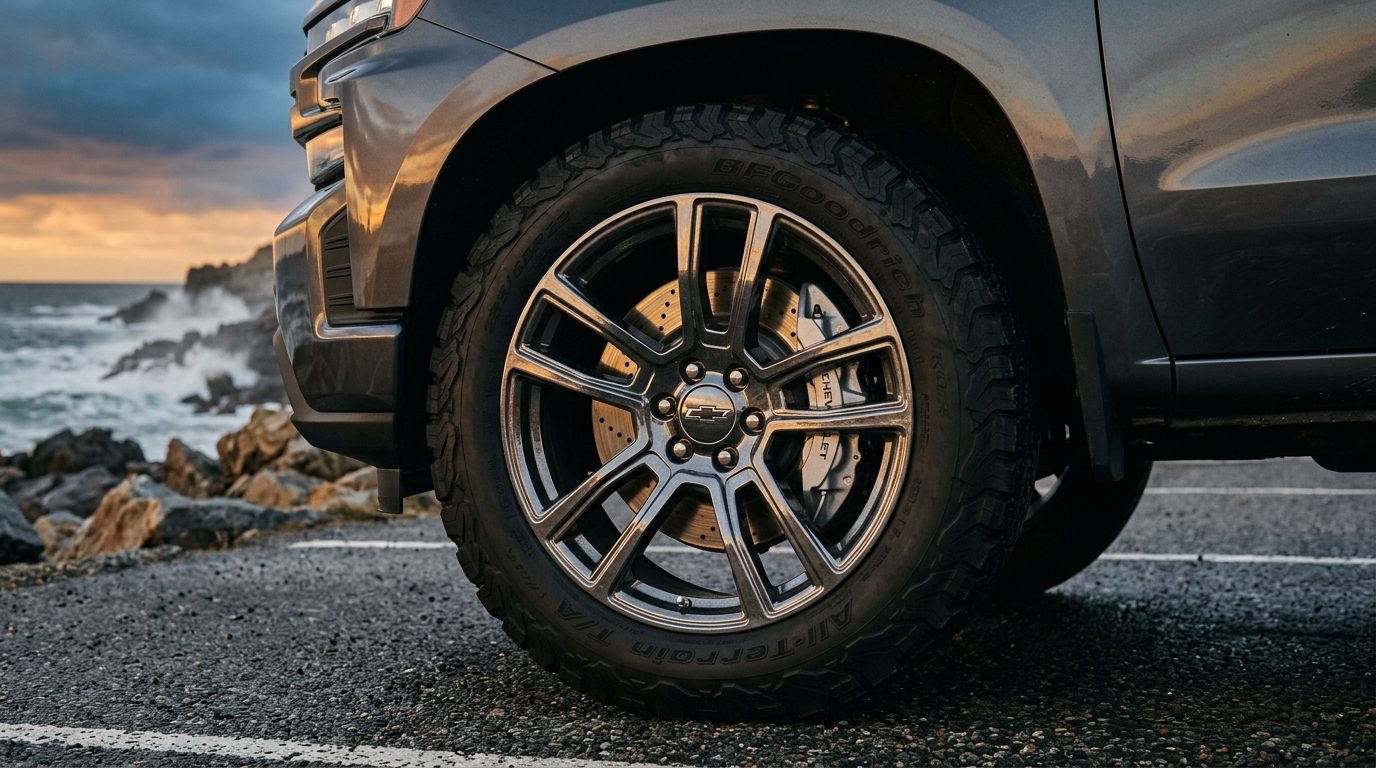
Comprehensive Care for 2026 Chevrolet Braking Systems
Maintaining the stopping power of a 2026 Chevrolet requires a proactive approach to hydraulic health and friction material thickness. Our team focuses on the specific needs of the latest braking architectures, which often integrate complex electronic modules with traditional mechanical components. For drivers navigating the coastal environment around Marion, the salt air and moisture can accelerate the oxidation of brake lines and hardware, making regular visual inspections a critical part of every service visit. We recommend a comprehensive brake system evaluation at least every 7,500 miles, typically coinciding with your oil change and tire rotation.
During these inspections, our certified technicians monitor the condition of the brake fluid. Over time, this fluid naturally absorbs moisture, which can lead to internal corrosion within the master cylinder and calipers. Chevrolet specifies that brake fluid should generally be replaced every 45,000 miles or every 3 years to ensure the boiling point remains high enough for heavy-duty use. If you notice a soft or spongy feeling when pressing the pedal, it often indicates that air or moisture has compromised the hydraulic seal. You can schedule a brake inspection online to have our experts verify the integrity of your lines and fluid levels.
For those who rely on their vehicles for work or recreation, the wear patterns on pads and rotors can vary significantly based on load. A 2026 Chevrolet Silverado 1500 used for hauling heavy equipment will naturally require more frequent pad replacements than a commuter vehicle. If you hear high-pitched squealing or feel a vibration in the steering wheel while slowing down, these are urgent indicators that the friction material has reached its wear limit. To find our service center for a professional diagnostic, you can get directions to our North Dartmouth location. If you have immediate questions about a warning light on your dashboard, feel free to give us a quick call at (508) 996-6266.
Table of Contents
- Essential Maintenance Requirements for the 2026 Silverado 1500
- Advanced Technology in the 2026 Chevrolet Braking Architecture
- Safety and Technical Limitations for DIY Brake Inspections
- Comparing Chevrolet Duralife Rotors to Ford and Ram Systems
- Quick Answers Before Your Visit
Essential Maintenance Requirements for the 2026 Silverado 1500
The 2026 Chevrolet Silverado 1500 utilizes a heavy-duty braking setup designed to manage the torque of the standard TurboMax engine and the available 5.3L V8. Because this truck is often used for towing up to 13,300 lbs when properly equipped, the heat generated during deceleration is substantial. This thermal stress can lead to rotor warping if the brakes are applied aggressively over long descents. We emphasize checking the thickness of the brake pads during every multi-point inspection, as the basic 3 years / 36,000 miles warranty covers manufacturing defects but does not typically include the replacement of friction wear items like pads.
Owners in Rochester often encounter muddy or unpaved back roads where grit and debris can become lodged between the pad and the rotor. This environmental factor can cause premature scoring on the rotor surface. If the 2026 Chevrolet Silverado 1500 is frequently driven in these conditions, we suggest a more rigorous cleaning of the brake assemblies to prevent the “grinding” noise that occurs when debris interferes with the caliper’s movement. It is also vital to monitor the roadside 5 years / 60,000 miles coverage terms, which provide peace of mind should a mechanical failure occur, though regular maintenance is the best defense against being stranded.
Another specific maintenance point for the latest Silverado models is the inspection of the brake hoses. These flexible lines are subject to high pressure and must remain free of cracks or bulges. For trucks equipped with the 4WD system, the front brake lines are also exposed to more suspension travel and potential trail obstacles. Ensuring these lines are routed correctly and show no signs of leakage is a standard part of our service protocol. By sticking to a strict maintenance schedule, you ensure that the high-torque capacity of the TurboMax engine is always balanced by reliable stopping performance.
Advanced Technology in the 2026 Chevrolet Braking Architecture
Chevrolet has transitioned many of its 2026 models to an electro-hydraulic braking system, which replaces the traditional vacuum booster with an electric motor. This technology allows for more precise brake pressure modulation, which is especially noticeable when the Chevy Safety Assist suite engages features like Automatic Emergency Braking. This system can apply the brakes faster than a human driver in a crisis, but it relies on a perfectly functioning electronic control module. Because these systems are so integrated with the vehicle’s computer, a low battery or a software glitch can occasionally trigger a “Service Brake Assist” message.
The 2026 Chevrolet Colorado showcases how this technology benefits off-road enthusiasts. With its best-in-class ground clearance and available 4WD, the Colorado uses electronic brake distribution to manage traction on uneven terrain. When the truck is in specific off-road modes, the braking system can simulate a locking differential by applying brake pressure to a spinning wheel, redirecting torque to the wheel with grip. This level of sophistication means that “bleeding” the brakes is no longer a simple two-person job; it often requires a specialized scan tool to cycle the ABS valves and ensure no air remains trapped in the internal galleries of the modulator.
Furthermore, the integration of regenerative braking in hybrid or electric models adds another layer of complexity. Even in traditional internal combustion models like the 2026 Chevrolet Silverado 1500, the braking system communicates with the transmission to provide engine braking when descending steep grades. This reduces the load on the physical brake pads and helps prevent brake fade. Maintaining these sensors and ensuring the software is up to date is just as important as checking the physical thickness of the pads, as the hardware and software must remain perfectly synchronized for optimal safety.
Safety and Technical Limitations for DIY Brake Inspections
The 2026 Chevrolet lineup features specific technical hurdles that make DIY brake work more difficult than in previous generations. One of the most significant changes is the widespread use of the electric parking brake (EPB). On models like the 2026 Chevy Silverado 1500, the rear calipers are controlled by an electric motor rather than a traditional cable. To replace the rear pads, the vehicle must be placed into a specific “Brake Service Mode” via the infotainment screen or a scan tool. Attempting to manually compress the caliper piston without engaging this mode can cause permanent damage to the expensive internal motor.
For residents in Wareham who may be used to working on older trucks, the torque specifications on a 2026 model are also non-negotiable. For example, the lug nuts on a Silverado must be torqued to exactly 140 lb-ft to ensure even pressure across the rotor hat. Uneven torquing is a leading cause of pedal pulsation, as it creates “hot spots” where the rotor cannot dissipate heat evenly. Additionally, many of the fasteners used in the caliper brackets are “torque-to-yield” bolts, meaning they are designed to stretch slightly when tightened and should be replaced with new OEM hardware every time they are removed.
We also caution against DIY fluid flushes on vehicles equipped with advanced driver-assist technologies. If air enters the ABS or stability control actuator during a manual bleed, it can lead to the failure of safety systems like Lane Keep Assist or Front Pedestrian Braking. These systems rely on consistent hydraulic pressure to function. Without the ability to run a diagnostic “automated bleed” procedure, a home mechanic might leave the vehicle with a pedal that feels firm but a safety system that is effectively disabled. Professional service ensures that every electronic and mechanical fail-safe is verified before the vehicle returns to the road.
Comparing Chevrolet Duralife Rotors to Ford and Ram Systems
Chevrolet uses Duralife FNC (Ferritic Nitro-Carburizing) rotors to provide a significant boost in corrosion resistance. In the salt-heavy winters of the Northeast, standard rotors on many Ford F-150 and Ram 1500 trims can develop a layer of “flake” rust that leads to noisy operation and premature wear. Chevrolet’s Duralife technology helps keep the rotor surface smooth, which typically results in a quieter ride and a longer lifespan for the brake pads.
When comparing the maintenance needs of the 2026 Silverado 1500 to its competitors, the TurboMax engine’s torque delivery also plays a role. With 430 lb-ft of standard torque, the Silverado requires a robust braking system to manage its power. While Ram often focuses on ride comfort with coil-link rear suspensions, Chevrolet prioritizes consistent braking performance under load. The Silverado’s braking hardware is sized to handle the heat of a full payload without the “spongy” feel that can sometimes affect Ford models during prolonged towing.
In terms of serviceability, Chevrolet has streamlined the diagnostic process for its technicians. The onboard computer in the 2026 Chevy Colorado, for instance, provides more granular data regarding brake pad life and system pressure than many midsize rivals. This allows our team to identify a sticking caliper or a restricted hose before it causes a total part failure. While all three major truck brands offer capable braking systems, the combination of FNC-coated rotors and integrated safety software gives Chevrolet owners a distinct advantage in terms of long-term durability and lower total maintenance costs over the life of the vehicle.
Quick Answers Before Your Visit
Q: How often should I replace the brake fluid in my 2026 Chevrolet?
Brake fluid should generally be replaced every 45,000 miles or every 3 years, whichever comes first. In our local climate, moisture can accumulate in the fluid more quickly, so we check the fluid’s clarity during every oil change. If the fluid appears dark or cloudy, it’s a sign that it has absorbed water and needs to be flushed to protect your calipers and master cylinder.
Q: What is the “Brake Service Mode” I see in my truck’s settings?
This is a specialized setting required for vehicles equipped with an electric parking brake, such as the 2026 Chevrolet Silverado 1500. It retracts the electronic calipers so that the brake pads can be safely removed and replaced. You should never attempt to change the rear brakes without engaging this mode, as doing so can break the electronic actuator motor.
Q: Why are my brakes squeaking even though the pads look thick?
Squeaking can be caused by a variety of factors beyond simple wear, including glazed pads from overheating or dust and road salt trapped in the hardware. On a 2026 Chevrolet Colorado, this often happens after driving on gravel roads or through heavy snow. A professional cleaning and lubrication of the caliper slide pins can often resolve the noise without needing full pad replacement.
Q: Is it safe to drive if my brake warning light is on but the car stops fine?
No, you should have the vehicle inspected immediately. A brake warning light can indicate low fluid levels, a hydraulic leak, or a failure in the electronic brake booster. Even if the car feels normal now, the system may be operating on a secondary fail-safe that could result in significantly longer stopping distances in an emergency. You can check our current service and parts specials for discounts on diagnostic inspections.
Q: Do Chevrolet brake pads have a specific break-in period?
Yes, new pads and rotors require a “burnishing” or bedding-in process to transfer a thin layer of friction material to the rotor surface. For the first 200 miles after service, we recommend avoiding extremely heavy braking or panic stops whenever possible. This helps ensure the brakes operate quietly and provide maximum stopping power for the long haul. To get your vehicle in for a professional pad replacement, you can (508) 996-6266 or find our service center address to drop off your vehicle.
© 2026 Colonial South Chevrolet. All rights reserved.
Connect with us

