





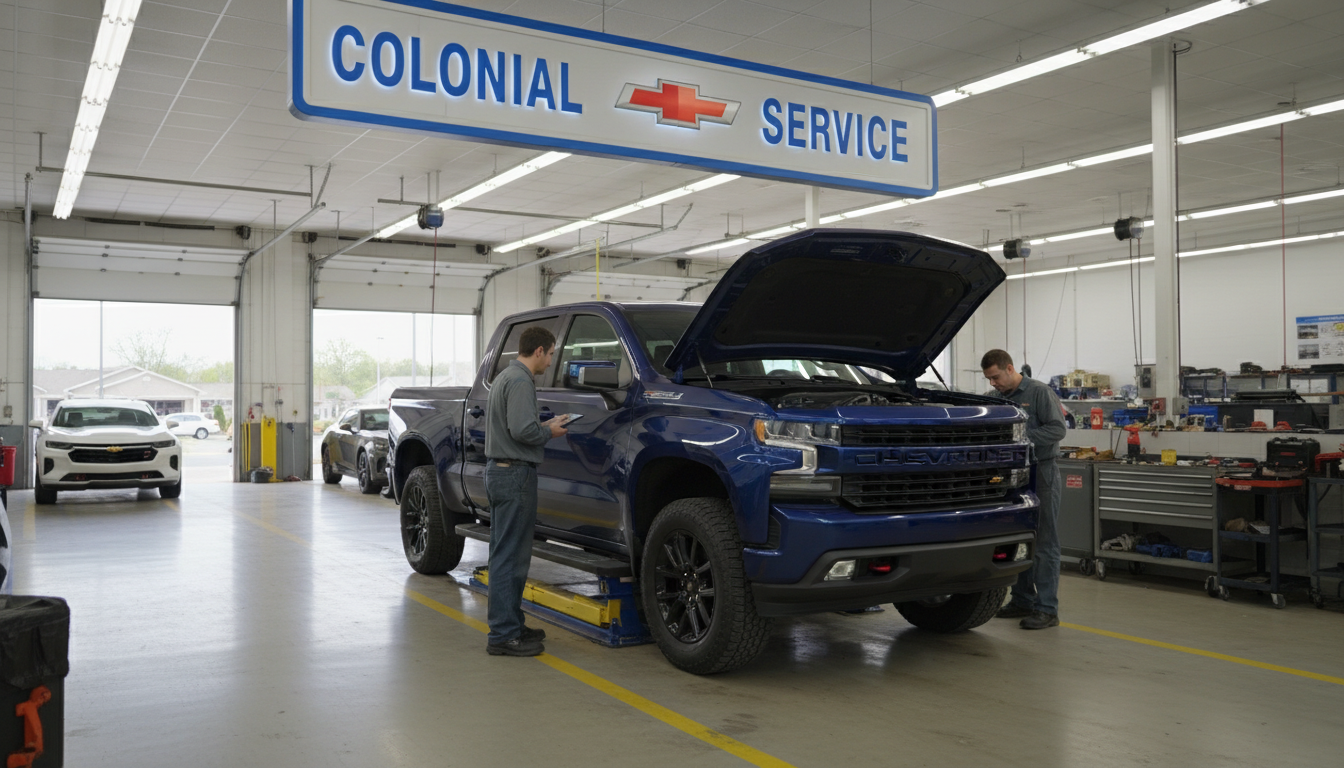
Blog / Colonial South Chevrolet Service

Understanding Chevrolet Oil Changes and Their Importance

Understanding Chevrolet Oil Changes and Their Importance

Performing regular oil changes is one of the most critical aspects of maintaining your Chevrolet vehicle’s engine health and longevity. Oil serves as the lifeblood of your engine, lubricating its moving parts to reduce friction, prevent overheating, and minimize wear. Over time, engine oil breaks down due to heat, contamination, and normal usage, losing its effectiveness. Without timely oil changes, your engine risks damage from excessive friction, sludge buildup, and corrosion, which can lead to costly repairs and diminished performance.

For Chevrolet owners, adhering to the proper oil change schedule is essential to keep engines running smoothly, especially when driving conditions in regions like Wareham and Fall River can vary significantly throughout the year. Whether navigating stop-and-go traffic or taking long highway trips, your engine’s oil condition directly impacts fuel efficiency and emissions. Maintaining clean oil ensures optimal combustion and smoother engine operation, helping your Chevrolet vehicle deliver the performance it was engineered for.

Modern Chevrolet models, including those popular around Providence, are designed with advanced engine technologies that extend oil change intervals beyond traditional guidelines. While older vehicles typically required oil changes every 3,000 miles, newer Chevrolet engines benefit from improved oil formulations, tighter component tolerances, and sophisticated monitoring systems. This results in longer-lasting oil that maintains its protective qualities over greater distances and varied driving conditions.

Understanding the importance of an oil change also involves recognizing the role of the oil filter. The filter traps contaminants, dirt, and metal particles that naturally accumulate in the engine oil. Replacing the oil filter during every oil change is crucial to prevent these impurities from circulating and causing damage. Neglecting the filter can compromise engine cleanliness and accelerate wear.

For drivers in suburban areas like Marion, where climate and seasonal temperature shifts can affect engine operation, timely oil changes become even more important. Cold starts in winter or high-temperature operation in summer can stress engine oil differently, making regular maintenance a vital part of vehicle care. Scheduling your oil changes with certified technicians ensures that the correct oil type and quality are used, tailored to your specific Chevrolet model’s requirements.

At Colonial South Chevrolet, located conveniently at 361 State Rd Rte, 6, North Dartmouth, MA 02747, our certified service team offers expert oil change services that adhere strictly to Chevrolet’s specifications. Our technicians ensure your vehicle receives the appropriate grade of oil and genuine GM parts, maintaining the engine’s integrity and performance. If you want to keep your Chevrolet running reliably, it’s wise to schedule service with us regularly.

Keeping a consistent oil change routine not only protects your engine but also preserves your vehicle’s resale value. Whether you’re driving through the rural landscapes of Rochester or urban streets in Fall River, maintaining optimal oil health is fundamental. To assess when your next oil change is due, always refer to your owner’s manual and take advantage of your Chevrolet’s onboard Oil Life Monitoring System for precise alerts tailored to your driving habits.

Table of Contents

How the Chevrolet Oil Life Monitoring System (OLMS) Enhances Maintenance

The Chevrolet Oil Life Monitoring System (OLMS) represents a significant advancement in vehicle maintenance technology, designed to optimize engine performance and extend the life of your Chevrolet. Unlike traditional oil change schedules based solely on mileage, the OLMS uses a sophisticated algorithm to evaluate various factors that affect oil condition. These include engine temperature, driving speed, load, and ambient climate, allowing the system to provide a customized estimate of oil life tailored to your specific driving patterns.

By continuously monitoring these variables, the OLMS can precisely determine the optimal time for an oil change, reducing unnecessary service visits and preventing premature oil deterioration. For example, a driver in the suburban environment of Wareham might experience different oil degradation rates compared to someone frequently navigating stop-and-go traffic in Providence. The system accounts for these differences, ensuring maintenance is performed exactly when needed rather than on a fixed schedule.

Another key benefit of the OLMS is its user-friendly notification system. The dashboard will display clear messages such as “Change Engine Oil Soon” when the oil life reaches a critical threshold, usually warning drivers to schedule service within the next 600 miles. This proactive alert helps prevent engine damage caused by degraded oil, which can lose its viscosity and protective qualities over time. It also encourages timely oil and filter changes, contributing to improved fuel efficiency and reduced emissions.

In addition, the OLMS supports environmental responsibility by reducing oil waste. Since oil changes occur based on actual engine needs, fewer oil changes mean less discarded oil, aligning with sustainability goals in regions like Marion, where environmental consciousness is high.

At Colonial South Chevrolet, our technicians are fully trained to interpret OLMS data and perform oil changes using recommended OEM oils like ACDelco dexos1TM Full Synthetic, ensuring your vehicle receives the highest quality service. If you’re near 361 State Rd Rte, 6, North Dartmouth, MA 02747get directions to Colonial South Chevrolet or call us at (508) 996-6266 to learn more about maintaining your oil’s health with OLMS technology.

For those looking to explore their next vehicle or trade in their current one, our Pre-Owned Inventory offers a variety of options that come equipped with this intelligent system for hassle-free maintenance. The Chevrolet OLMS simplifies oil changes, making them more convenient and efficient for drivers in Wareham and surrounding areas

2026 Chevrolet Equinox Oil Capacity and Recommended Oil Types

The 2026 Chevrolet Equinox requires precise oil capacity and type to ensure optimal engine performance and longevity. For this model, the engine oil capacity is approximately 5.0 quarts (4.7 liters) when performing a complete oil change, including replacing the oil filter. This volume is designed to maintain proper lubrication, cooling, and engine cleanliness across various driving conditions common in Massachusetts and nearby areas like Dartmouth.

Selecting the correct oil type for your 2026 Equinox is critical. Chevrolet recommends using oils that meet the dexos1® specification for gasoline engines, which guarantees high standards for wear protection, deposit control, and fuel efficiency. Among the popular options are ACDelco dexos1™ Full Synthetic Oil, which offers improved oxidation resistance, excellent cold-weather flow, and helps prevent sludge buildup. Alternatively, ACDelco Conventional Oil is suitable for drivers who prefer a proven formula that provides adequate engine wear protection and corrosion control.

For drivers in regions like Wareham where temperature fluctuations can be significant, synthetic oils such as Mobil 1™ Full Synthetic provide enhanced high-temperature stability and superior anti-wear properties, which can be particularly beneficial during summer road trips or colder months. Using the recommended oil type ensures the engine’s internal components remain protected and efficient between oil changes.

To maintain your Equinox’s performance and warranty compliance, always refer to the Owner’s Manual for specific oil grade recommendations and change intervals. Regularly checking your oil level and quality, especially in areas like Fall River where stop-and-go traffic is frequent, can help you avoid premature engine wear.

If you’re unsure about your vehicle’s oil requirements or need assistance, our service experts at Colonial South Chevrolet located at 361 State Rd Rte, 6, North Dartmouth, MA 02747 are available to help. Additionally, you can estimate the value of your current vehicle using our Value Trade tool.

Choosing Between Dealer and Local Shops for Your Chevrolet Oil Change

When deciding where to get your Chevrolet oil change, understanding the differences between dealership service centers and local shops is crucial for maintaining your vehicle’s performance and warranty. At Colonial South Chevrolet, located at 361 State Rd Rte, 6, North Dartmouth, MA 02747, our trained technicians specialize exclusively in Chevrolet vehicles and use manufacturer-recommended tools and genuine parts.

One significant advantage of choosing a Chevrolet dealership for your oil changes is access to certified technicians who understand the specific requirements of your model, including the latest engine technologies and the Oil Life Monitoring System (OLMS). This expertise ensures that your oil and oil filter meet Chevrolet’s rigorous specifications, which helps protect your engine and maintain your vehicle’s warranty. Additionally, dealerships like Colonial South Chevrolet often offer comprehensive inspections during your oil change, identifying potential issues before they become costly repairs, especially for drivers in the suburban areas around Dartmouth and Providence.

Local shops may offer lower prices and quicker turnaround times, but they might not always use OEM parts or have in-depth knowledge of Chevrolet-specific maintenance requirements. This can be a concern for owners of newer models such as the 2026 Chevrolet Equinox, whose advanced engine systems and synthetic oil needs require precise attention for optimal performance.

By choosing Colonial South Chevrolet, you also gain access to current Service and Parts Specials, which can provide excellent value on oil changes without compromising quality. Whether you’re upgrading your vehicle from our New Inventory or maintaining your current Chevrolet, entrusting your oil changes to our dealership ensures expert care aligned with manufacturer standards. For residents in nearby communities like Marion and Wareham, this means peace of mind knowing your vehicle is serviced correctly every time.

Resetting the Oil Life Monitor on Your 2026 Chevrolet Model

After completing an oil change on your 2026 Chevrolet, resetting the Oil Life Monitor is essential to ensure accurate tracking of your next service interval. This process helps maintain the reliability of the engine and prevents premature or delayed oil changes. To reset the system, start by turning on your vehicle and accessing the driver information screen on the instrument cluster.

Navigate to the information menu using the steering wheel controls, typically marked with an "i" icon. Scroll through the menu options until you find the oil life monitoring system display. Follow the on-screen prompts to reset the oil life, usually by pressing the scroll wheel or a select button on your steering wheel. Confirm the reset by selecting "yes" when prompted.

Once reset, the oil life indicator should display 100%, signaling that the system is ready to monitor the new oil’s condition accurately. If the indicator does not reset, turning the vehicle off and repeating the steps often resolves the issue. For assistance, drivers near Fall River or Providence can visit Colonial South Chevrolet for expert support.

Scheduling Oil Changes and Taking Advantage of Service Specials at Colonial South Chevrolet

At Colonial South Chevrolet, scheduling your oil change is straightforward and tailored to fit your busy lifestyle. Our expert technicians use only GM Genuine Parts and approved oils to maintain your vehicle’s performance and longevity. Residents of Dartmouth and Rochester can easily book service appointments online or by phone, ensuring quick and convenient care.

We also offer regularly updated Service and Parts Specials, providing valuable discounts on oil changes and other maintenance tasks. These specials help you get the highest quality service without compromising your budget. Take advantage of these offers by scheduling your next oil change promptly to keep your Chevrolet running smoothly.


© 2026 Colonial South Chevrolet. All rights reserved.
Posted in:

Related Posts

How Do You Find Factory Tire Specifications for a 2026 Chevrolet

How Do You Find Factory Tire Specifications for a 2026 Chevrolet?

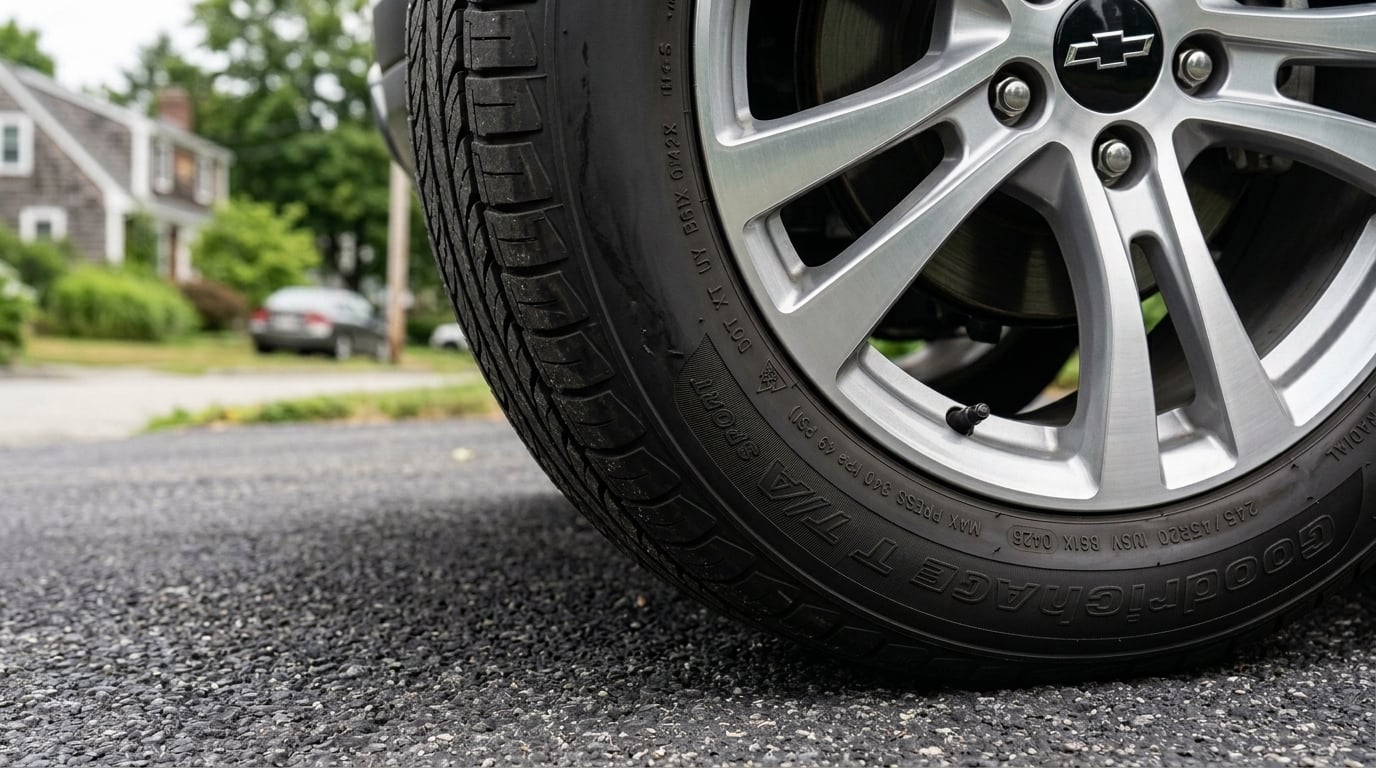
You can find the exact factory tire specifications for a 2026 Chevrolet on the vehicle's Tire and Loading Information placard located on the driver side B-pillar door jamb, inside the owner's manual, and directly on the tire sidewall. The placard lists the OEM-approved tire size, recommended cold inflation pressures for front and rear tires, maximum load capacity, and spare tire inflation specs calibrated specifically for your vehicle's gross axle weight ratings. Every Chevrolet vehicle engineered for 2026 features a standardized tire code stamped on the sidewall that defines its dimensions and structural limits. Reading a size like P225/65R17 reveals distinct technical parameters: P-Metric Classification: The letter P signifies a passenger-car tire design, whereas LT denotes a light-truck build engineered for heavier payload and trailer weights. Section Width: The three-digit number specifies the tire's width in millimeters from sidewall to sidewall when mounted on an OEM rim. Aspect Ratio: The two-digit number after the slash represents the sidewall height as a percentage of the section width. Internal Construction: The letter R indicates radial construction, where internal ply cords run perpendicular to the direction of travel. Wheel Diameter: The final two-digit number defines the wheel rim diameter in inches required for correct fitment. Following the size designation, the sidewall includes the load index and speed rating—critical figures such as 95H or 102V. The load index maps to the maximum weight capacity each tire safely supports when set to the cold inflation pressure specified on the door jamb. The speed rating letter defines the maximum sustained speed the tire can handle under standardized laboratory tests. Maintaining these exact OEM ratings preserves designed handling dynamics, braking distances, and stability control calibration. When replacing tires or inspecting wear, drivers can confirm factory specifications by visiting our service center in North Dartmouth or by calling (508) 996-6266 to speak with a factory-trained technician. Table of Contents How Do Load Ratings and Pressures Change for Towing and Heavy-Duty 2026 Chevrolet Truck Configurations? What Are the Standard Tire Sizes, Bolt Patterns, and Speed Ratings for the 2026 Chevrolet Silverado 1500? How Often Should You Check Tire Pressure and When Should Winter Tires Be Installed in Eastern Massachusetts? Should You Get a Wheel Alignment When Replacing Tires on Your 2026 Chevrolet? ​ Commonly Asked Questions About 2026 Chevrolet Tire Care and Maintenance ​ Schedule Your Chevrolet Tire Care and Inspection ​ How Do Load Ratings and Pressures Change for Towing and Heavy-Duty 2026 Chevrolet Truck Configurations? Tire load ratings and cold inflation pressures must increase substantially when 2026 Chevrolet heavy-duty trucks haul maximum payloads or tow heavy trailers to prevent sidewall overheating and maintain vehicle stability. Standard passenger-rated tires carry fixed load capacities at normal street pressures, whereas heavy-duty light-truck tires utilize higher ply ratings—such as Load Range E or Load Range F —that permit higher inflation pressures to support heavy tongue weights and bed loads. On Chevrolet trucks equipped with optional heavy-duty suspension setups, off-road equipment, or the Max Trailering Package, cold tire pressure requirements differ between unloaded driving and heavy commercial service. When operating a truck under maximum load, rear tire pressures are frequently specified higher than front tire pressures—sometimes requiring up to 65 psi on rear tires compared to lower pressures for normal daily commuting. Increasing pressure under heavy loads reduces sidewall flex, which lowers internal heat buildup and improves tread contact when pulling heavy equipment along the coastal plain around Wareham. Configuration / Application Typical Tire Construction Target Rear Pressure Range Primary Service Benefit Standard Daily Driving P-Metric / Standard Load 35 psi to 38 psi Optimizes ride comfort and even tread wear Heavy Bed Payload Light Truck ( Load Range E) 50 psi to 60 psi Supports rear axle weight without sidewall deflection Maximum Gooseneck / Trailering Heavy Duty ( Load Range E / F) 60 psi to 80 psi Maintains directional stability and controls trailer sway Overloading a tire without adjusting inflation pressure compromises tread contact and strains the internal radial belting. Conversely, running maximum towing pressures on an empty truck crown-wears the center tread and harshness increases across minor road imperfections. Owners should always reference the tire pressure placard on the door jamb for specific gross vehicle weight ratings ( GVWR) and adjust pressures using an accurate pressure gauge before hitching a heavy payload. What Are the Standard Tire Sizes, Bolt Patterns, and Speed Ratings for the 2026 Chevrolet Silverado 1500? The 2026 Chevrolet Silverado 1500 utilizes several standard factory tire sizes ranging from 17-inch steel wheels on work trucks up to 22-inch aluminum wheels on high-tier trims. Engine choices, trim levels, and regional package selections dictate the factory wheel diameter and tire profile fitted at the assembly plant. Standard factory tire dimensions for the 2026 Silverado 1500 lineup include: 255/70R17 (Standard on WT base configurations) 265/70R17 (Standard on Custom and select mid-tier trims) 265/65R18 (Standard on LT, RST, and Trail Boss models) 275/60R20 (Standard on LTZ and High Country models) 275/50R22 (Optional on High Country premium packages) Across all 2026 Silverado 1500 models, the factory wheel bolt pattern measures 6x139.7mm (also referred to as 6x5.5 inches) with a hub-centric center bore measuring 78 mm. This bolt pattern ensures precise wheel alignment over the axle hub flange, distributing vehicle mass and cornering torque evenly across all six wheel studs. When switching between wheel sizes—such as moving from a 20-inch highway wheel down to an 18-inch wheel for off-road durability—maintaining the overall tire outer diameter ensures the speedometer, odometer, and transmission shift algorithms function correctly without recalibration. Factory tires for the Silverado 1500 generally carry a speed rating of S (rated for sustained speeds up to 112 mph) or T (rated up to 118 mph), paired with a load index between 112 and 116. These speed and load specs match the truck's speed-governed top velocity and electronic chassis controls like StabiliTrak. Fitting replacement tires with lower speed ratings or reduced load indices can affect braking distance and traction response during high-load maneuvers. How Often Should You Check Tire Pressure and When Should Winter Tires Be Installed in Eastern Massachusetts? Tire pressure on a 2026 Chevrolet should be checked at least once a month when the tires are cold, as ambient air temperature fluctuations directly alter inflation levels. For every 10-degree drop in outside air temperature, tire pressure drops approximately 1 psi. In addition to monthly checks, drivers should verify tire pressures before extended highway trips or whenever carrying heavy cargo. In Eastern Massachusetts, winter tire installation should occur in mid-November when ambient daily temperatures consistently drop below 45 degrees Fahrenheit. All-season rubber compounds begin to harden at sub-47-degree temperatures, reducing flexibility and wet-road grip. Specialized winter tires utilize micro-silica tread compounds that stay pliable in freezing weather, paired with dense siping patterns that grip snow and slush. Massachusetts law permits the use of studded winter tires on public roadways only from November 1 through April 30. Vehicle owners driving rural routes near Rochester rely on dedicated winter tread to clear mud, snow, and ice from unpaved agricultural roads during early spring thaws. Winter tires should be removed and stored around early April when ambient daily temperatures climb reliably back above 45 degrees, preventing premature tread wear on warm pavement. Checking pressure must always be done while the vehicle has been parked for at least three hours or driven less than one mile. Always inflate to the cold tire pressure specification listed on the driver's door B-pillar rather than the maximum pressure stamped on the tire sidewall, which reflects only the tire's structural burst limit. ​ Should You Get a Wheel Alignment When Replacing Tires on Your 2026 Chevrolet? Getting a four-wheel alignment when installing new tires on your 2026 Chevrolet is highly recommended to protect your tire investment and ensure predictable vehicle handling. Even slight camber, caster, or toe misalignments caused by pothole impacts or worn suspension bushings will cause rapid, uneven tread wear on fresh tires within a few thousand miles. Key indicators that signal the need for an immediate wheel alignment include: Uneven or feathered wear across the inner or outer tread shoulder of old tires. The steering wheel sitting off-center when driving straight on a flat road. The vehicle pulling or drifting toward one side of the lane when steering wheel pressure is relaxed. Unusual vibration or steering column feedback at highway speeds. A precise wheel alignment sets all four tires parallel to each other and perpendicular to the road surface, matching Chevrolet factory chassis tolerances. Aligning the suspension during tire installation ensures that advanced safety systems—such as Lane Keep Assist and electronic stability control—receive accurate steering angle sensor data. Skipping an alignment during a tire replacement risks premature tire cupping, reduced fuel economy, and shortened tire lifespan. ​ Commonly Asked Questions About 2026 Chevrolet Tire Care and Maintenance Q: Where is the tire pressure monitoring system resetting button located on my 2026 Chevrolet? Most 2026 Chevrolet models monitor tire pressures automatically using internal rim sensors that update the driver information center as you drive. If a low-pressure warning remains illuminated after inflating tires to the door-jamb specification, driving the vehicle above 20 mph for several minutes typically recalibrates the Tire Pressure Monitor System. On select models, sensor learning modes can be accessed directly through the infotainment vehicle status menu or steering wheel controls. Q: How do I read the age of a tire using the DOT code on the sidewall? The manufacturing date of any Chevrolet tire is stamped within the DOT serial code located near the wheel rim edge on the sidewall. Look for a four-digit number at the end of the code string. The first two digits represent the week of production (from 01 to 52), while the last two digits represent the year. For example, a code ending in 1225 indicates the tire was manufactured during the 12th week of 2025. Q: Can I downsize my 20-inch wheels to 18-inch wheels for winter driving on a Silverado? Yes, downsizing from 20-inch factory wheels to 18-inch wheels is a common practice for winter driving on a 2026 Chevrolet Silverado. The smaller wheel diameter allows for a taller tire sidewall, which provides improved cushion against pothole impacts and superior snow traction. When downsizing, ensure the replacement 18-inch wheel clears the front brake calipers and maintains the factory 6x139.7mm bolt pattern and overall tire outer diameter. Q: How often should tires be rotated on a 2026 Chevrolet SUV or truck? Tires should be rotated every 7,500 miles or during every engine oil service, whichever comes first. Regular rotation redistributes front-to-rear tread wear evenly, particularly on front-wheel-drive crossovers where front tires handle steering, braking, and drive torque simultaneously. Following the recommended cross-switch or front-to-back rotation pattern maximizes tread life and maintains balanced wet-weather traction. Q: What is the difference between all-season and all-weather tires for New England driving? All-season tires are designed to handle dry roads, wet spring pavement, and mild summer temperatures, but their rubber compound hardens below freezing. All-weather tires feature advanced silica rubber compounds and aggressive tread patterns certified with the Three-Peak Mountain Snowflake (3PMSF) symbol. This rating indicates they meet designated severe snow performance standards while remaining suitable for year-round driving without seasonal changeouts. Maintaining your vehicle's tire health keeps your safety systems functioning properly and preserves optimal handling performance. Drivers can easily request complete tire rotations, wheel balances, and tire inspections by scheduling a certified service appointment online with our maintenance department. Schedule Your Chevrolet Tire Care and Inspection Proper tire selection, correct inflation pressures, and routine maintenance are essential for maximizing safety, fuel efficiency, and performance in your 2026 Chevrolet. Whether you need an official tread depth evaluation, a precision wheel alignment, or seasonal winter tire changeouts, our factory-trained technicians provide complete support using genuine OEM specifications and specialized diagnostic equipment. Our state-of-the-art service department maintains a comprehensive inventory of factory-approved tires designed specifically for Chevrolet cars, crossovers, and heavy-duty trucks. We inspect sidewall integrity, check DOT date codes, verify load index ratings, and program tire pressure monitoring sensors to keep your vehicle performing exactly as engineered. Take action today to protect your vehicle investment and maintain optimal stopping power on regional roads. Get complete tire service by visiting our North Dartmouth location or give our service team a call at (508) 996-6266 to speak directly with a service coordinator. © 2026 Colonial South Chevrolet. All rights reserved.
What Is the Recommended 2026 Chevrolet Oil Change Schedule

What Is the Recommended 2026 Chevrolet Oil Change Schedule?

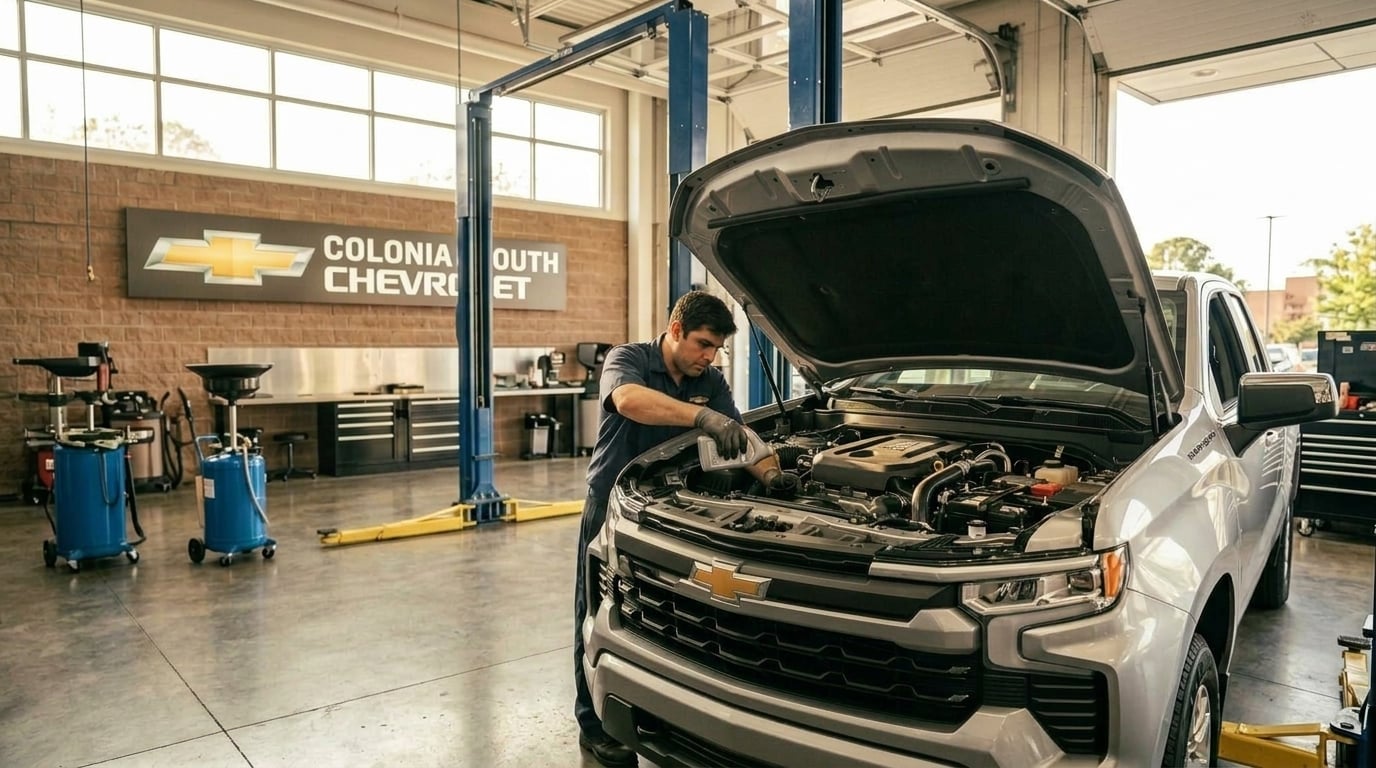
The recommended 2026 Chevrolet oil change schedule requires servicing your engine every 7,500 to 10,000 miles or at least once per year under normal driving conditions when using factory-specified full synthetic oil. Modern Chevy vehicles rely on the onboard GM Oil Life System to calculate maintenance intervals based on real-time operating parameters, indicating service is needed when remaining oil life drops to 15 percent. Driving Condition Recommended Oil Change Interval Normal Highway & Mixed Commuting 7,500 – 10,000 miles or 12 months Severe Use (Towing, Heavy Idling) 5,000 – 7,500 miles GM Oil Life System Prompt (15%) Schedule service within 300 miles GM Oil Life System Critical (0%) Service immediately Engine oil breakdown depends heavily on driving patterns rather than distance alone. Chevrolet’s algorithm constantly evaluates engine speed, operating temperature cycles, ambient weather, idle time, and vehicle load. A vehicle driven primarily on open highways will comfortably reach the upper end of the recommended interval. Conversely, routine cold-engine operation, extensive idling, and frequent heavy loads cause the monitor percentage to decrease much faster. Drivers navigating local conditions often encounter factors that qualify as severe operating environments. For instance, Rochester's rural farmland and unpaved access routes expose vehicles to dust, low-speed hauling, and frequent stop-and-go driving that accelerate oil contamination. When operating under these circumstances, expecting to change motor oil closer to a 5,000-mile interval protects internal engine components from premature wear. Paying close attention to dashboard alerts ensures optimal lubrication. When the Driver Information Center alerts you that oil life has reached 15 percent, scheduling an appointment promptly allows time to book service before fluid effectiveness breaks down completely. Never let the monitor remain at 0 percent, as depleted engine oil loses its protective film strength and anti-wear additive properties. When you are ready to set up maintenance, our North Dartmouth service center is convenient to reach, or you can give our team a quick call to confirm the ideal schedule for your specific model. Table of Contents Does Getting an Oil Change at an Independent Shop Void My Chevrolet Warranty? What Type of Oil and Viscosity Grade Does Chevrolet Require for Modern Engines? Why Should You Combine Tire Rotations with Chevy Oil Changes and Avoid Delayed Service? What Does a Chevy Oil Change Cost in Bristol County MA and How Is the Monitor Reset? ​ Common Customer Questions About Chevrolet Oil Change Service ​ Schedule Your Certified Chevrolet Oil Change Service ​ Does Getting an Oil Change at an Independent Shop Void My Chevrolet Warranty? Getting an oil change at an independent repair facility does not void your Chevrolet factory warranty. Under the federal Magnuson-Moss Warranty Act, automobile manufacturers cannot invalidate your 3-year/36,000-mile bumper-to-bumper warranty or 5-year/60,000-mile powertrain warranty simply because routine maintenance was performed by a third-party mechanic, provided the service meets factory standards. To keep your factory coverage fully intact when servicing outside a franchised dealership, specific requirements must be met: The motor oil used must strictly meet GM's dexos1 Gen 3 standard for gasoline engines (or dexosD for diesel models). The replacement oil filter must match original equipment specifications for flow rate and filtration efficiency. You must retain detailed, itemized receipts displaying the date of service, vehicle mileage, exact oil brand, specification code, and filter part number. Service Location Impact on Factory Warranty Certified Chevrolet Dealership Fully protected; recorded in GM DB Independent Repair Shop Protected if dexos oil + proof kept DIY / Self Service Protected if receipts & logs kept Service with Non-Dexos Oil Risk of denial if oil causes damage While independent shops are legally permitted to change your oil, risks arise if non-compliant fluids or low-grade aftermarket filters are installed. Modern turbocharged engines are sensitive to oil quality. If engine failure occurs and an investigation reveals sludge buildup or low-speed pre-ignition caused by non-certified oil, Chevrolet reserves the right to deny warranty coverage for that specific damage. Servicing your vehicle with our team eliminates warranty documentation hassles completely. Every oil service performed at our dealership is automatically uploaded to General Motors’ centralized vehicle history database. This creates an unassailable digital paper trail that guarantees your warranty remains fully protected without requiring you to archive physical receipts. What Type of Oil and Viscosity Grade Does Chevrolet Require for Modern Engines? Modern Chevrolet gasoline engines require full-synthetic motor oil explicitly approved under GM's dexos1 Gen 3 specification, typically utilizing viscosity grades of 0W-20 or 5W-30. Using factory-certified synthetic oil ensures proper lubrication of high-precision internal components, maintains fuel economy standards, and guards against premature engine failure. Chevrolet Engine Family Recommended Grade GM Specification 1.5L Turbo 4-Cylinder 0W-20 dexos1 Gen 3 2.7L Turbo 4-Cylinder 0W-20 dexos1 Gen 3 5.3L & 6.2L V8 Gasoline 0W-20 dexos1 Gen 3 3.0L Duramax Turbo-Diesel 0W-20 dexosD The dexos1 Gen 3 standard represents the latest chemical advancement in engine lubrication, engineered specifically to satisfy the demands of modern direct-injected and turbocharged powertrains. Compared to older formulations, dexos1 Gen 3 offers improved oxidation stability, superior deposit control at high temperatures, and targeted mitigation against low-speed pre-ignition (LSPI)—a destructive combustion phenomenon that can damage pistons in turbocharged engines. Viscosity requirements vary depending on engine engineering: 0W-20 full synthetic provides rapid oil circulation during cold engine starts while minimizing fluid drag to maximize efficiency in modern V8 and small-displacement turbo engines. 5W-30 full synthetic offers robust oil film thickness under higher thermal loads and is specified for select performance or heavy-duty gasoline applications. dexosD synthetic formulas are mandatory for modern light-duty diesel engines, such as the 3.0L Duramax Turbo-Diesel, offering specialized protection against soot contamination. Using non-certified motor oil in a modern Chevy risks accelerated component wear, valve train noise, and carbon accumulation on intake valves. The correct viscosity grade and specification are stamped directly onto your vehicle's oil filler cap and detailed in the owner manual. Why Should You Combine Tire Rotations with Chevy Oil Changes and Avoid Delayed Service? Combining a tire rotation with every Chevrolet oil change every 7,500 miles ensures balanced tread wear, maximizes overall tire longevity, and allows technicians to perform a single comprehensive multi-point safety check. Delaying routine oil maintenance allows contaminants to accumulate in the crankcase, accelerating thermal breakdown and risking catastrophic internal engine damage. Maintenance Task Primary Vehicle Benefit Full Synthetic Oil Change Prevents friction, sludge & overheating Four-Wheel Tire Rotation Promotes even tread wear across axles Multi-Point Digital Inspection Identifies worn brakes, hoses & leaks Commuters navigating the seasonal stop-and-go traffic around Wareham frequently ask whether frequent idling accelerates oil wear; our service team points out that extended idling degrades oil additives faster than steady cruising, making combined inspection visits vital. As oil ages past its intended life, thermal degradation breaks down protective viscosity modifiers, resulting in sludge deposits that clog oil passages, starve variable valve timing actuators, and score crankshaft bearings. Pairing tire rotation with fluid service delivers clear structural advantages for your vehicle: Front tires handle steering, braking, and primary drive forces, causing their tread to wear down significantly faster than rear tires on front-wheel-drive and all-wheel-drive models. Rotating tires every 7,500 miles evens out wear patterns, maintaining predictable wet-weather traction and preventing cupping or vibration. Performing both services simultaneously minimizes shop visits, keeping maintenance convenient and predictable. Preventing service delays preserves both safety and long-term vehicle resale value. You can easily book your maintenance online to keep both engine health and tire wear properly synchronized. What Does a Chevy Oil Change Cost in Bristol County MA and How Is the Monitor Reset? A full synthetic Chevrolet oil change in Bristol County generally costs between $40 and $80 for standard four-cylinder and V6 passenger vehicles, which includes up to 5 quarts of GM-certified oil, an OEM oil filter, professional installation, and environmental fluid disposal fees. Larger V8 trucks and diesels requiring up to 8 quarts of oil or specialized dexosD formulas sit at higher price points. Vehicle / Engine Type Estimated Service Scope Standard Passenger (Up to 5 Qts) $40 - $80 (dexos1 Full Synthetic) Truck / SUV V8 (Up to 8 Qts) $70 - $110 (dexos1 Full Synthetic) Duramax Diesel (Specialty Oil) $110 - $150 (dexosD Diesel Synthetic) Every oil service must conclude with a manual reset of the GM Oil Life System so the display accurately reflects new fluid condition. If the monitor is not reset, the system will continue counting down based on old maintenance data, triggering false warnings. To reset the Chevrolet Oil Life Monitor manually through your driver information display: Turn the ignition switch to ON/RUN with the engine off (for push-button start, press and hold the START button for 5 seconds without pressing the brake pedal). Use the right-hand steering wheel controls or menu thumbwheel to navigate to the Info menu on the instrument cluster. Scroll through the display options until you highlight the Oil Life screen. Press and hold the Select button (or thumbwheel) for several seconds until the percentage resets to 100%. Turn the ignition off, then start the engine to confirm the system displays 100% oil life remaining. Performing this reset ensures your vehicle correctly calculates your next service milestone based on clean fluid and fresh filter performance. Common Customer Questions About Chevrolet Oil Change Service Reviewing common owner inquiries helps clear up confusion regarding oil specifications, system alerts, and routine maintenance requirements. Q: Can I use conventional or synthetic blend oil in my modern Chevrolet? Modern Chevrolet gasoline engines require full-synthetic motor oil certified to the dexos1 Gen 3 standard. Conventional or non-approved synthetic blend oils lack the thermal stability and additive protection necessary for modern turbochargers and direct-injection systems, which can compromise performance and void powertrain warranty coverage if engine damage results. Q: What does the percentage on my Chevrolet Oil Life Monitor actually mean? The percentage displayed on the GM Oil Life System represents estimated remaining oil effectiveness based on real-time driving conditions, engine revs, temperature cycles, and idle hours. It does not measure physical oil volume on the dipstick. Service should be scheduled around 15% and performed immediately if the system reaches 0%. Q: What is included in a multi-point inspection during an oil change? A multi-point inspection performed alongside an oil change includes evaluating brake pad thickness, tire tread depth and inflation pressure, battery voltage, serpentine belt integrity, cooling system hoses, suspension components, and key fluid levels to catch developing issues early. Q: How does cold weather in New England affect my Chevy's oil life? Cold weather starts and short trips prevent motor oil from reaching proper operating temperature, allowing moisture and unburned fuel vapor to condense inside the crankcase. The GM Oil Life System tracks ambient temperatures and short-trip cycles, automatically adjusting the oil life percentage downward faster during winter months. Q: Are there maintenance specials available for Chevrolet oil changes? Promotional offers and combined maintenance discounts are regularly updated to help drivers manage service expenses. You can browse current service special coupons online before scheduling your appointment to review seasonal bundle savings on full synthetic oil changes and tire rotations. Schedule Your Certified Chevrolet Oil Change Service Maintaining a consistent oil change schedule using factory-specified dexos1 Gen 3 full synthetic oil is the single most effective action you can take to protect your Chevrolet engine's performance, fuel efficiency, and long-term durability. Combined with regular tire rotations and comprehensive digital vehicle inspections, routine service prevents costly mechanical repairs while keeping your factory warranty protection secure. Our factory-trained service technicians utilize genuine OEM filters and GM-approved fluids tailored specifically to your engine's requirements. Plan your next maintenance visit by stopping by our North Dartmouth service center or giving our team a quick call to book your service time today. © 2026 Colonial South Chevrolet. All rights reserved.
2026 Chevrolet Colorado Trims, Towing, and Value Guide

2026 Chevrolet Colorado: Trims, Towing, and Value Guide

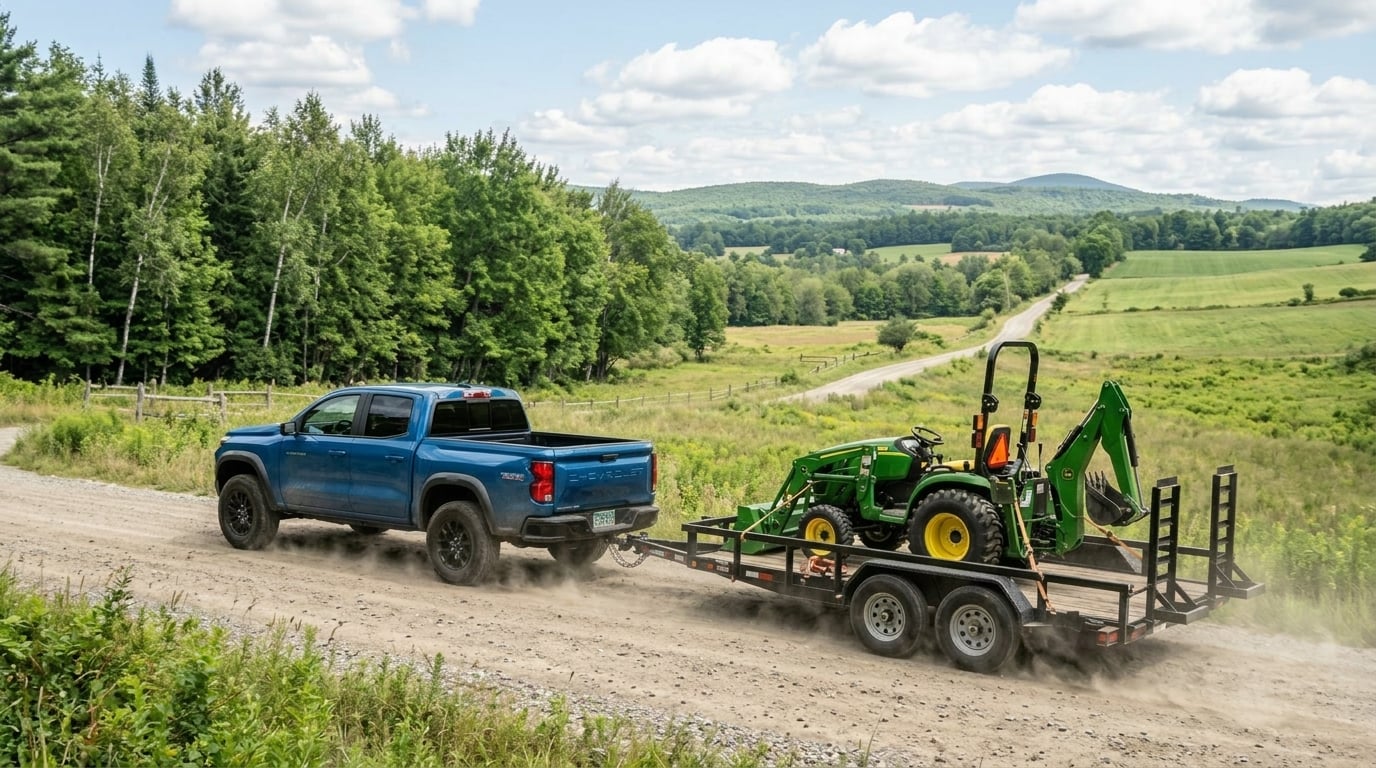
The 2026 Chevrolet Colorado is the strongest choice for buyers who need a capable, five-passenger midsize truck without full-size running costs. Starting at $32,400 for the Work Truck 2WD and reaching $50,700 for the ZR2 4WD, the lineup delivers 310 hp and 430 lb-ft of torque across all seven trims, with towing capacity ranging from 3,500 lbs to 7,700 lbs depending on configuration. The Trail Boss 4WD and Z71 4WD hit that 7,700 lb ceiling, while the 2WD trims return 19–21 combined MPG. Table of Contents How Much Can Rochester Drivers Expect to Tow and Save with the 2026 Chevrolet Colorado? Exterior Styling and Rugged Design Features Tailored for Outdoor Adventures Powertrain Options and Performance Specs for Varied Terrain Interior Comfort and Space in the 2026 Chevrolet Colorado for Family Outings ​ Infotainment and Connectivity Features That Enhance Your Commute Safety Technologies and Driver Assistance Systems Built Families Complete Pricing Breakdown of All 2026 Chevrolet Colorado Trims Buyers Warranty Coverage and Maintenance Services Awards, Expert Reviews, and Recognition of the 2026 Chevrolet Colorado Frequently Asked Questions About Owning a 2026 Chevrolet Colorado How Much Can Rochester Drivers Expect to Tow and Save with the 2026 Chevrolet Colorado? The short answer: towing ranges from 3,500 lbs to 7,700 lbs depending on trim, and fuel economy runs 18–21 MPG combined. Those two numbers matter most to buyers hauling boats to Buzzards Bay or running daily routes across Rochester's farmland. Every Colorado in this lineup shares the same turbocharged 2.7L four-cylinder producing 310 hp and 430 lb-ft of torque, paired with a Hydra-Matic eight-speed automatic. The differences show up in drivetrain choice and how each trim is configured for work or recreation. The Work Truck trims carry the highest payload figures — 1,769 lbs for the Work Truck 2WD and 1,770 lbs for the Work Truck 4WD — making them the practical choice for hauling farming supplies or equipment across Rochester's rolling terrain. The Trail Boss 4WD and Z71 4WD jump to 7,700 lbs of towing capacity, which is enough to pull a loaded fishing boat or a small utility trailer to the Wareham River without straining the drivetrain. The ZR2 4WD sits at 6,000 lbs towing with a reduced payload of 1,310 lbs, reflecting its heavier off-road hardware. Feature LT 2WD LT 4WD Trail Boss 4WD Work Truck 2WD Work Truck 4WD Z71 4WD ZR2 4WD Curb Weight 4,310 lbs 4,520 lbs 4,640 lbs 4,280 lbs 4,480 lbs 4,640 lbs 4,940 lbs Towing 3,500 lbs 3,500 lbs 7,700 lbs 3,500 lbs 3,500 lbs 7,700 lbs 6,000 lbs Payload 1,739 lbs 1,730 lbs 1,610 lbs 1,769 lbs 1,770 lbs 1,610 lbs 1,310 lbs All trims seat 5 passengers. Buyers who want the maximum towing figure should focus on the Trail Boss 4WD or Z71 4WD. Those who prioritize payload for work use will find the Work Truck trims deliver the most bed capacity. If you're considering a pre-owned Colorado as a lower-cost entry point, browsing our pre-owned Colorado inventory is a practical first step before committing to a new trim. Exterior Styling and Rugged Design Features Tailored for Outdoor Adventures Every 2026 Chevy Colorado in Dartmouth wears a Crew Cab body with four front-hinged doors, a short-box pickup bed measuring 61.7 in long and 58.2 in wide, and a 131.4 in wheelbase. The overall length is 213.2 in on most trims, with a body width of 74.9 in (84.4 in including mirrors). That footprint is compact enough for rural two-lane roads yet wide enough to carry full sheets of plywood flat in the bed. Lighting varies by trim in a meaningful way. The Work Truck and base configurations use halogen headlights with a complex-surface lens, while the LT Convenience Package (available on LT 2WD and LT 4WD) upgrades to full LED projector-beam headlights with LED daytime running lights and LED front fog lights — a real-world advantage when driving unlit farmland roads before dawn or returning from an evening at Sippican Harbor after dark. The Trail Boss 4WD rides on 18-inch alloy wheels with all-terrain tires and carries a standard StowFlex Tailgate — a multi-function tailgate that converts for easier bed access. It also gets a wider front track (66.1 in versus 62.8 in on the LT) and 9.5 in of ground clearance versus 7.9 in on 2WD models, giving it a noticeably more planted stance. The ZR2 4WD pushes that further with its own distinct front fascia and wider body, contributing to its 4,940 lb curb weight. Exterior color options include Snowdrift Metallic and Radiant Red Tintcoat among available choices. If you're trading in a current vehicle before stepping into a new Colorado, getting a trade-in value estimate is a smart way to understand your full budget before selecting a trim. Powertrain Options and Performance Specs for Varied Terrain One engine, seven trims — and the differences that matter are in drivetrain, suspension, and differential setup, not displacement. Every 2026 Colorado uses the 2.7L turbocharged inline-four (engine code L3B), rated at 310 hp at 5,600 rpm and 430 lb-ft of torque at 3,000 rpm, routed through a Hydra-Matic 8L80 eight-speed automatic with a floor-mounted shifter. The engine runs on 87-octane regular unleaded and includes an auto start/stop system. The table below shows how drivetrain configuration splits the lineup: Feature LT 2WD LT 4WD Trail Boss 4WD Work Truck 2WD Work Truck 4WD Z71 4WD ZR2 4WD Drivetrain Rear-wheel drive All-wheel drive All-wheel drive Rear-wheel drive All-wheel drive All-wheel drive All-wheel drive All trims share: Engine: 2.7L · Horsepower: 310 hp · Torque: 430 lb-ft · Transmission: Hydra-Matic. The 2WD trims (Work Truck 2WD and LT 2WD) use a rear-wheel-drive setup with a leaf-spring rear and independent front suspension — a configuration that suits Rochester's gently rolling terrain and works well for buyers who spend most miles on paved roads. The 4WD trims add a part-time four-wheel-drive system with manual selection and a transfer case with low/high ranges, making them suitable for unpaved boat launch ramps, muddy farm access roads, or the kind of loose gravel that lines some coastal property driveways near Marion. The Trail Boss 4WD and Z71 4WD both include a standard G80 locking rear differential — a mechanical limited-slip unit that distributes torque automatically when a rear wheel loses traction. That feature is what enables those two trims to reach the 7,700 lb tow rating. The Advanced Trailering Package (available on LT 2WD, LT 4WD, Work Truck 2WD, and Work Truck 4WD) also adds a mechanical rear limited-slip differential and raises towing on those trims to 7,700 lbs when equipped. The Trail Boss 4WD adds a high-ride suspension variant and descent control, which is useful for steep gravel driveways or launching a boat on a sloped ramp. The ZR2 4WD takes the chassis furthest, with the heaviest curb weight (4,940 lbs) and a dedicated off-road suspension tune. Fuel economy reflects the drivetrain and weight differences. The 2WD trims return 19 city / 24 highway / 21 combined MPG. The LT 4WD and Work Truck 4WD return 17 city / 22 highway / 19 combined. The Trail Boss 4WD returns 17 city / 20 highway / 18 combined, and the ZR2 4WD's figures are not provided in the catalog data — contact Colonial South Chevrolet for details. Interior Comfort and Space in the 2026 Chevrolet Colorado for Family Outings All seven trims share the same Crew Cab body, which translates to identical interior measurements across the lineup. Front headroom is 40.3 in, rear headroom is 38.3 in, front legroom is 45.2 in, and rear legroom is 34.7 in. Front shoulder room measures 57.4 in, rear shoulder room is 56.1 in, and hip room is 54.7 in front and 53.1 in rear. A family of four fits comfortably on a drive to Allens Pond Wildlife Sanctuary, and the rear bench folds asymmetrically to create additional storage space when needed. The rear bench splits and folds flat, and the rear seats include under-seat storage — a practical feature for stowing life jackets, fishing gear, or hiking boots out of sight. Cup holders are present at both front and rear seating positions, and the floor console includes both a full floor console and a partial overhead console for additional small-item storage. Seat materials vary by trim and configuration. The Work Truck trims start with Jet Black Cloth upholstery as the base choice, with Jet Black Evotex (synthetic leather) available as an option. The LT trims also start with cloth, but the LT Convenience Package upgrades the seat material to synthetic leather and adds a heated driver seat, heated passenger seat, heated steering wheel, and a rear seat center armrest. The Trail Boss Convenience Package II brings the same heated seat and synthetic leather upgrades to the Trail Boss 4WD. The driver's seat on LT-equipped trims is power-adjustable with five electrical positions — height, reach, recline, lumbar, and tilt — all electric. The passenger seat on LT trims adjusts manually for reach and recline. Work Truck trims start with a fully manual driver's seat; the WT Convenience II package upgrades the driver's seat to five-way power adjustment. The climate control system runs two zones on the LT and Trail Boss trims, with automatic temperature control. Work Truck trims use a manual air conditioning setup at base level. Infotainment and Connectivity Features That Enhance Your Commute A 11.3 in touchscreen infotainment display is standard on every 2026 Chevy Colorado in this lineup — not an upgrade, not a package — paired with an 11 in digital instrument cluster that is fully reconfigurable. Both screens are fixed-orientation, and the center display is touch-operated. Wireless Apple CarPlay and wireless Android Auto are standard on all trims. That means no cable required to mirror your phone's navigation, music, or messaging apps — a detail that matters when you're pulling away from a boat ramp with wet hands. A Google voice assistant is built in, and the system supports over-the-air software updates so the interface can improve without a dealership visit. Every Colorado includes Bluetooth connectivity, steering wheel-mounted audio controls, a 6-speaker audio system, AM/FM radio, satellite radio with a 3-month trial subscription, internet radio, and built-in apps. The front USB configuration includes 2 USB charging ports at the front and 1 at the rear as standard. The LT Convenience Package adds 2 additional rear USB ports (bringing the rear total to 2), a wireless charging pad, and a 120V power outlet — useful for charging tools or devices at a job site or campsite. OnStar telematics is standard across all trims, with 96 months of remote services included. The standard OnStar package provides remote lock/unlock, vehicle diagnostics, find-my-vehicle, remote start, send-destination-to-car, theft alert, and emergency call capability. Buyers who want the expanded OnStar One service — which adds 36 months of Wi-Fi hotspot access (up to 999 GB per month via embedded SIM), enhanced navigation with satellite view, and internet-fed traffic data — can add that through the OnStar One 3 Years option. A 3 Years SiriusXM subscription is also available as a standalone option for buyers who want extended satellite radio coverage on longer drives. ​ Safety Technologies and Driver Assistance Systems Built Families The 2026 Colorado's active safety suite is consistent across all seven trims — every configuration includes the same core driver assistance systems as standard equipment. That means no buyer has to step up to a more expensive trim to get basic collision avoidance. Standard on all trims: Automatic Emergency Braking (AEB) with Pedestrian Detection, which activates at speeds as low as 5 mph and applies front low-speed braking when a collision is detected. Rear Cross Traffic Braking uses radar to detect vehicles approaching from the side when reversing and applies the brakes automatically — a practical feature when backing out of a busy marina parking lot or a crowded boat ramp. Lane Keeping Assist (LKA) monitors lane position and applies steering correction if the vehicle begins to drift without a turn signal. Blind Zone Steering Assist monitors the blind spots on both sides and provides steering resistance when a lane change would put the vehicle in conflict with a detected vehicle. The passive safety structure includes 6 airbags across all trims: dual front airbags (driver and passenger), front side airbags, and side curtain airbags covering both front and rear seating positions. Front seat belts include pre-tensioners and height adjustment on both driver and passenger sides. Rear seat belts are three-point across all three rear seating positions. Crash test ratings from the catalog data show an NHTSA overall score of 4 out of 5 stars, with a 4-star frontal crash rating, 5-star side impact rating, and a 3-star rollover rating. IIHS testing shows a Good rating on the small overlap front driver test and a Marginal rating on the moderate overlap front test. All trims also include a trailer stability program, ABS with four-wheel ventilated disc brakes, electronic stability control, roll stability control, and hill hold assist — the full suite of chassis-level safety systems. ​ Complete Pricing Breakdown of All 2026 Chevrolet Colorado Trims Buyers The 2026 Colorado lineup in Bristol County, MA, spans a $18,300 price range from the most affordable trim to the most capable, giving buyers clear entry points whether the priority is work utility, family comfort, or serious off-road performance. Feature LT 2WD LT 4WD Trail Boss 4WD Work Truck 2WD Work Truck 4WD Z71 4WD ZR2 4WD Base MSRP $36,000 $39,300 $40,500 $32,400 $35,700 $44,600 $50,700 All trims carry a destination charge of $2,095, which brings the Work Truck 2WD to $34,495 and the LT 2WD to $38,095 as delivered. The Work Truck 2WD at $32,400 is the starting point — a no-frills, high-payload truck with the same engine and infotainment foundation as every other trim. Buyers who need four-wheel drive for winter traction or boat ramp access can add it for $3,300 with the Work Truck 4WD at $35,700. The LT 2WD at $36,000 adds comfort features like the leather-wrapped steering wheel, power driver's seat, dual-zone automatic climate control, and keyless entry/start over the Work Truck, making it the natural choice for buyers who want daily driver refinement without the off-road premium. The Trail Boss 4WD at $40,500 is the value pick for serious towing — it includes the G80 locking differential and 7,700 lb tow rating as standard, along with the StowFlex Tailgate, all-terrain tires, and the higher-clearance suspension. The Z71 4WD at $44,600 adds more capability on top of that. The ZR2 4WD at $50,700 represents the top of the range with full off-road hardware. Browse Colonial South Chevrolet's current new Colorado inventory to see which trims and configurations are available now. Warranty Coverage and Maintenance Services Chevrolet backs the 2026 Colorado with a warranty structure that covers the vehicle across multiple protection periods. The bumper-to-bumper limited warranty runs 3 years or 36,000 miles, whichever comes first. The powertrain warranty extends to 5 years or 60,000 miles — covering the engine, transmission, and drivetrain components that take the most stress during towing and off-road use. Corrosion protection runs 6 years or 100,000 miles, which matters for buyers in coastal environments where salt air accelerates rust on exposed metal surfaces. The paint warranty covers 3 years or 36,000 miles. Roadside assistance through Chevrolet is included for 5 years or 60,000 miles, matching the powertrain warranty period. That means if a tire fails on a back road near Rochester's farmland or on a coastal highway, manufacturer-backed roadside support is available at no additional cost during that window. OnStar telematics includes a breakdown assistance notification feature — the system can detect certain vehicle issues and connect you with an advisor, streamlining the process of getting help when you're far from a service center. Colonial South Chevrolet's service team is equipped to handle Colorado maintenance and warranty work. When you're ready to schedule routine service — oil changes, tire rotations, or any warranty repair — you can book a service appointment online to choose a time that fits your schedule. ​ Awards, Expert Reviews, and Recognition of the 2026 Chevrolet Colorado The 2026 Colorado was named to Car and Driver's Editors' Choice list, a distinction that recognizes vehicles the publication considers the benchmark choices in their respective segments. Car and Driver's Editors' Choice selection process evaluates real-world performance, value, and completeness — not just on-paper specifications — making it a meaningful signal for buyers weighing the Colorado against competitors like the Toyota Tacoma, Ford Ranger, and Jeep Gladiator. The Colorado's recognition reflects what the data supports: a lineup that delivers the same 310 hp turbocharged engine across every trim, a consistent active safety suite, and a pricing structure that lets buyers choose the right capability level without paying for features they don't need. The Trail Boss 4WD's 7,700 lb tow rating at $40,500 and the Work Truck 2WD's 1,769 lb payload at $32,400 represent genuine capability at accessible price points — the kind of value that earns editorial recognition in a competitive segment. ​Fuel Economy Fuel economy and range by trim Feature LT 2WD LT 4WD Trail Boss 4WD Work Truck 2WD Work Truck 4WD Z71 4WD ZR2 4WD MPG 19 city / 24 hwy / 21 combined 17 city / 22 hwy / 19 combined 17 city / 20 hwy / 18 combined 19 city / 24 hwy / 21 combined 17 city / 22 hwy / 19 combined 17 city / 20 hwy / 18 combined 17 city / 17 hwy / 17 combined Frequently Asked Questions About Owning a 2026 Chevrolet Colorado Q: What is the maximum towing capacity of the 2026 Chevrolet Colorado? The Trail Boss 4WD and Z71 4WD both reach 7,700 lbs of maximum towing capacity as standard — enough to pull a mid-size boat and trailer to Sippican Harbor or a loaded utility trailer across Rochester's farmland. The LT 2WD, LT 4WD, Work Truck 2WD, and Work Truck 4WD are rated at 3,500 lbs standard, but can reach 7,700 lbs when equipped with the Advanced Trailering Package (ZL6), which adds a mechanical rear limited-slip differential and trailer hitch assist. The ZR2 4WD is rated at 6,000 lbs. Q: Does the 2026 Colorado come with Apple CarPlay and Android Auto on all trims? Yes. Wireless Apple CarPlay and wireless Android Auto are standard on every 2026 Colorado trim — including the Work Truck 2WD. Both systems connect without a cable and are controlled through the standard 11.3 in touchscreen. The subscription for both integration services is effectively unlimited (listed as 999 months in the catalog data), so there is no recurring cost for the phone mirroring functionality itself. Q: Which trim has the best payload capacity? The Work Truck 4WD carries the highest payload at 1,770 lbs, with the Work Truck 2WD close behind at 1,769 lbs. The LT 2WD manages 1,739 lbs and the LT 4WD 1,730 lbs. The Trail Boss 4WD and Z71 4WD drop to 1,610 lbs due to their heavier off-road hardware, and the ZR2 4WD has the lowest payload at 1,310 lbs. Q: What fuel economy should I expect from a 2026 Colorado? The 2WD trims (Work Truck 2WD and LT 2WD) return 19 city / 24 highway / 21 combined MPG. The LT 4WD and Work Truck 4WD return 17 city / 22 highway / 19 combined. The Trail Boss 4WD returns 17 city / 20 highway / 18 combined. All figures are EPA-rated. Q: Is the Colorado a good fit for families who need both passenger space and cargo capability? The Crew Cab body on all seven trims provides 40.3 in of front headroom, 45.2 in of front legroom, and 34.7 in of rear legroom — enough for adult passengers in all four outboard seats. The rear bench folds asymmetrically to expand bed storage when needed, and under-seat storage in the rear provides a secure spot for gear. The short box bed (61.7 in long, 58.2 in wide, 45.5 in wide between wheelhouses) handles recreational equipment, camping supplies, or work materials without requiring a full-size truck footprint. Q: Where can I see and test drive the 2026 Colorado near North Dartmouth? Colonial South Chevrolet is located at 361 State Rd Rte 6, North Dartmouth, MA 02747. To check availability or ask about a specific trim before making the drive, give the team (508) 996-6266 a call. © 2026 Colonial South Chevrolet. All rights reserved.